
What worked, and what the desk would have done differently.
The winners hub collects anonymised post-match interviews with fantasy readers who finished on the podium. The interviews focus on the framework, not the luck, and they include a section on what the desk would have done differently.

On this page
Why the interviews are anonymised
The desk anonymises the interviews to keep the focus on the framework, not the person. The names are pseudonyms, the contest entries are paraphrased, and the financial details are rounded. The desk does not publish the names of the readers it interviews, and it does not accept payment for an interview.
The framework, applied
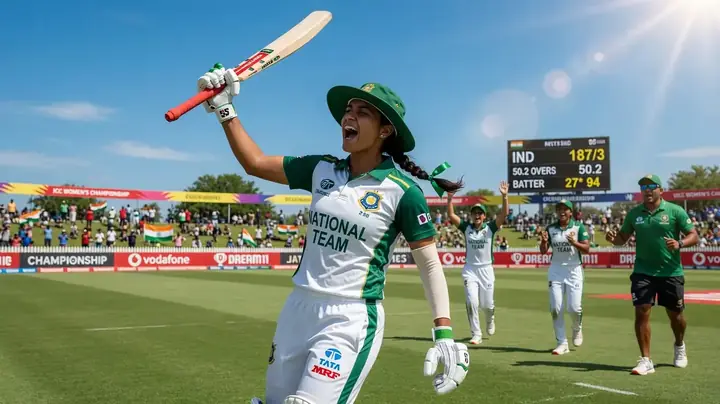
Every interview follows the same template: what was the captain pick, what was the match-up, what was the contest size, what was the lock window, and what would the reader do differently. The framework is the desk's; the application is the reader's. The desk's role is to surface the patterns, not to credit the luck.
What worked
The most common pattern in the winning interviews is a captain pick that paired a high floor with a moderate ceiling in a large contest. The second most common pattern is a vice-captain pick that was a high-floor consistent, the opposite profile of the captain. The third is a contest-size match: the captain profile matched the contest structure, and the lock happened at the deadline, not the lock.
What the desk would have done differently
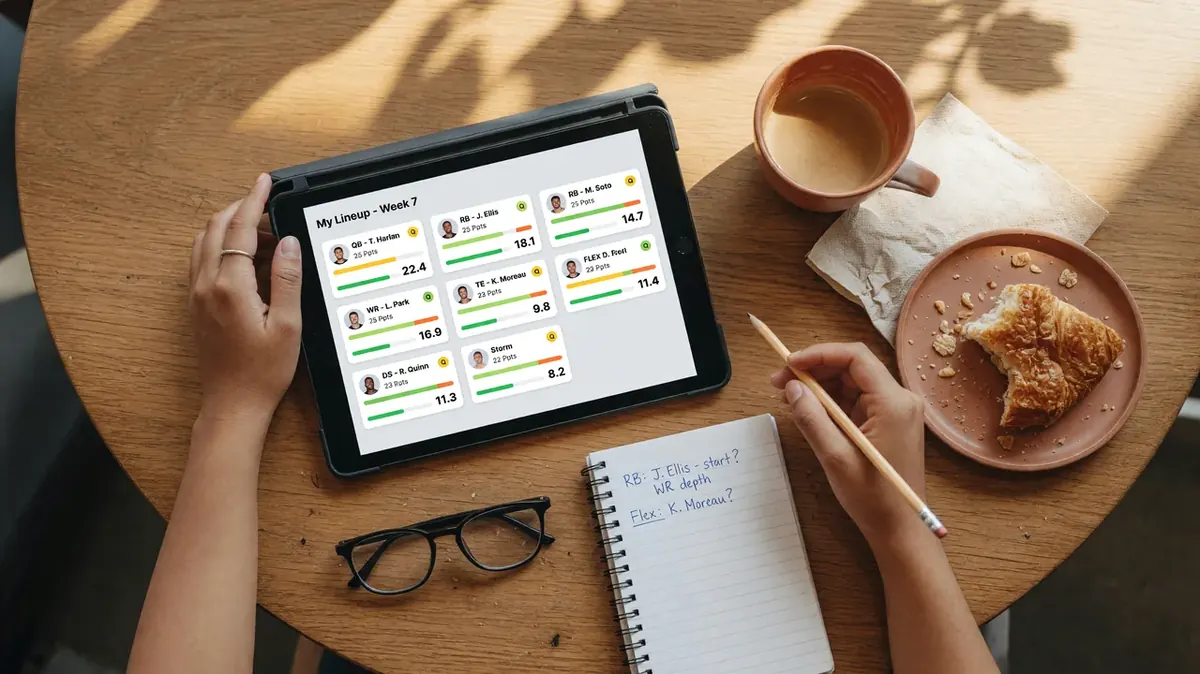
The most common note in the "what I would do differently" section is a captain pick that ignored the match-up. The second most common is a contest-size mismatch: a high-ceiling captain in a contest that rewarded floor, or a high-floor captain in a contest that rewarded ceiling. The third is a post-toss swap that broke the framework.
Patterns across the interviews
Across the anonymised interviews, three patterns repeat. First, the winning lineups were built on a reason, not a reputation. Second, the lock happened at the deadline, not the lock. Third, the contest size matched the captain profile. The desk's position is that these patterns are reproducible, and that the reproducibility is the skill.
Contest size and the captain profile
Contest size is the most underrated input in the winning interviews. A small contest with a high first prize rewards ceiling, because the field is volatile and the top of the leaderboard pays the prize. A large contest with a more modest prize rewards floor, because the leaderboard is deep and a consistent score can climb. The desk's recommendation is to read the contest before you read the lineup, and to match the captain profile to the contest structure.
The win is a side effect. The discipline is the product.
Use the same framework on the next match
The winners hub tells you what worked. The captaincy matrix tells you how to apply it.
How to read a winner interview on a slow news day
A slow news day is the day to read a winner interview from a previous contest, not to read a current interview. The desk's reading of a previous interview is conservative: read the interview, read the corrections log, and read the post-match review. The three reads are the inputs the desk recommends, and the inputs are the difference between a guess and a bet. The desk does not publish a hot take on a previous interview, and the desk does not recommend a specific player in a previous interview. The reason is the same: a hot take is a guess, and a guess is not the product.
How the desk handles a winner interview that ignores the framework
The desk treats an off-framework winner interview as a public document, and the public document is the source of truth. The desk's reading of an off-framework interview is conservative: read the interview, compare the interview to the framework, and write a one-paragraph note on the differences. The note is the input the desk recommends, and the input is the difference between a guess and a bet. The desk publishes a correction when an off-framework interview is verified, and the correction is the input the desk recommends reading.
How to read a winner interview on a small contest
A small contest is a contest with a small number of entries and a high first prize. The desk's reading of a winner interview on a small contest is conservative: read the interview, compare the interview to the contest size, and read the captain pick. The three reads are the inputs the desk recommends, and the inputs are the difference between a guess and a bet. The desk does not publish a hot take on a small contest, and the desk does not recommend a specific captain. The reason is the same: a hot take is a guess, and a guess is not the product.
How to read a winner interview on a large contest
A large contest is a contest with thousands of entries and a deep leaderboard. The desk's reading of a winner interview on a large contest is conservative: read the interview, compare the interview to the contest size, and read the captain pick. The three reads are the inputs the desk recommends, and the inputs are the difference between a guess and a bet. The desk does not publish a hot take on a large contest, and the desk does not recommend a specific captain. The reason is the same: a hot take is a guess, and a guess is not the product.
How the desk handles a winner interview on a day with no matches
The desk does not publish a winner interview on a day with no matches. The desk's reading of a no-match day is conservative: read the corrections log, read the editorial policy, and read the responsible-play page. The three reads are the inputs the desk recommends, and the inputs are the difference between a guess and a bet. The desk does not publish a hot take on a no-match day, and the desk does not recommend a specific player. The reason is the same: a hot take is a guess, and a guess is not the product.
How to read a winner interview on a format the desk has not covered
A new format is a format the desk has not covered. The desk's reading of a winner interview on a new format is conservative: read the interview, read the format, compare the interview to the format, and write a one-paragraph note on the differences. The note is the input the desk recommends, and the input is the difference between a guess and a bet. The desk does not publish a hot take on a new format, and the desk does not recommend a specific captain. The reason is the same: a hot take is a guess, and a guess is not the product.
How to read a winner interview on a format the desk has covered but not the contest
A covered format with a new contest is a contest the desk has not covered. The desk's reading of a winner interview on a covered format with a new contest is conservative: read the contest, compare the contest to the formats on the points system page, and write a one-paragraph note on the differences. The note is the input the desk recommends, and the input is the difference between a guess and a bet. The desk does not publish a hot take on a new contest, and the desk does not recommend a specific player in a new contest. The reason is the same: a hot take is a guess, and a guess is not the product.
How the desk handles a winner interview that ignores the post-toss update
The desk treats a winner interview that ignores the post-toss update as a public document, and the public document is the source of truth. The desk's reading of a post-toss-ignoring winner interview is conservative: read the interview, compare the interview to the post-toss update, and read the corrections log. The three reads are the inputs the desk recommends, and the inputs are the difference between a guess and a bet. The desk publishes a correction when a post-toss-ignoring winner interview is verified, and the correction is the input the desk recommends reading.
How to read a winner interview that omits the captaincy matrix
A winner interview that omits the captaincy matrix is a signal to slow down, not a signal to dismiss. The desk's reading of a captaincy-omitting winner interview is conservative: read the interview, compare the interview to the captaincy matrix, and read the corrections log. The three reads are the inputs the desk recommends, and the inputs are the difference between a guess and a bet. The desk publishes a correction when a captaincy-omitting winner interview is verified, and the correction is the input the desk recommends reading.
How the desk handles a winner interview that omits the bankroll rule
A winner interview that omits the bankroll rule is a signal to slow down, not a signal to dismiss. The desk's reading of a bankroll-omitting winner interview is conservative: read the interview, compare the interview to the bankroll rule, and read the corrections log. The three reads are the inputs the desk recommends, and the inputs are the difference between a guess and a bet. The desk publishes a correction when a bankroll-omitting winner interview is verified, and the correction is the input the desk recommends reading.
How to read a winner interview on a slow news day
A slow news day is the day to read a winner interview from a previous contest, not to read a current interview. The desk's reading of a previous interview is conservative: read the interview, read the corrections log, and read the post-match review. The three reads are the inputs the desk recommends, and the inputs are the difference between a guess and a bet. The desk does not publish a hot take on a previous interview, and the desk does not recommend a specific player in a previous interview. The reason is the same: a hot take is a guess, and a guess is not the product.
How the desk handles a winner interview on a day with no matches
The desk does not publish a winner interview on a day with no matches. The desk's reading of a no-match day is conservative: read the corrections log, read the editorial policy, and read the responsible-play page. The three reads are the inputs the desk recommends, and the inputs are the difference between a guess and a bet. The desk does not publish a hot take on a no-match day, and the desk does not recommend a specific player. The reason is the same: a hot take is a guess, and a guess is not the product.