
Keep the habit healthy, with the tools the desk recommends.
Fantasy sports can be a fun way to engage with the matches you already love. The desk's position is that the habit should be a habit, not a compulsion, and that the tools below are the ones the desk recommends. The page is not a substitute for professional help; the contact details for free support services are at the bottom.

On this page
Loss limits and time controls
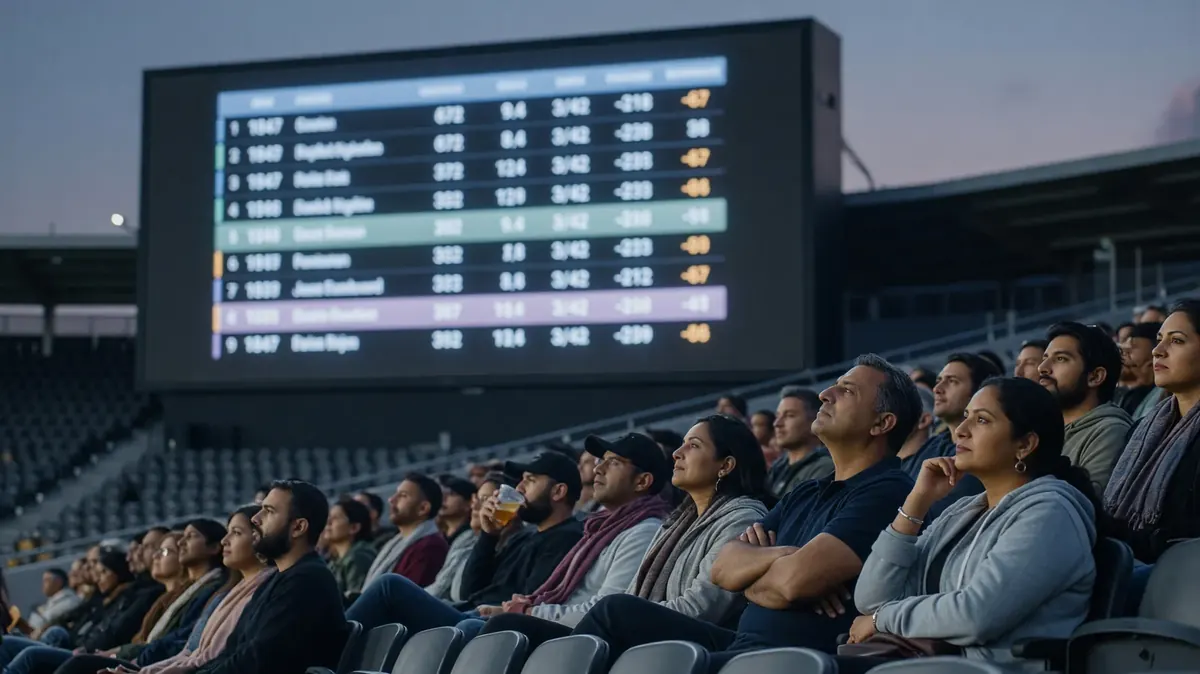
Set a weekly loss limit before you start. The limit should be an amount you would not miss if the platform refused a withdrawal for a documented reason. If the limit is hit, stop and do not chase the loss. The desk's position is that a weekly loss limit is the single most effective tool, and a platform that does not let you set a weekly loss limit in-product is a signal to slow down.
Set a time control. A reasonable time control is one fantasy entry per match day, with no more than 30 minutes spent on the platform outside the match window. The desk's position is that a time control is a habit, and the habit is the product.
Self-exclusion
Every reputable platform offers a self-exclusion tool. The tool lets you block your own access to the platform for a period you choose, usually between 6 months and 5 years. The desk's position is that the self-exclusion tool is a strong signal that the platform takes responsible play seriously, and a platform that does not offer a self-exclusion tool is a signal to slow down. If you need to use the tool, use it. The desk links to the tool from the customer-care page.
Warning signs to watch for
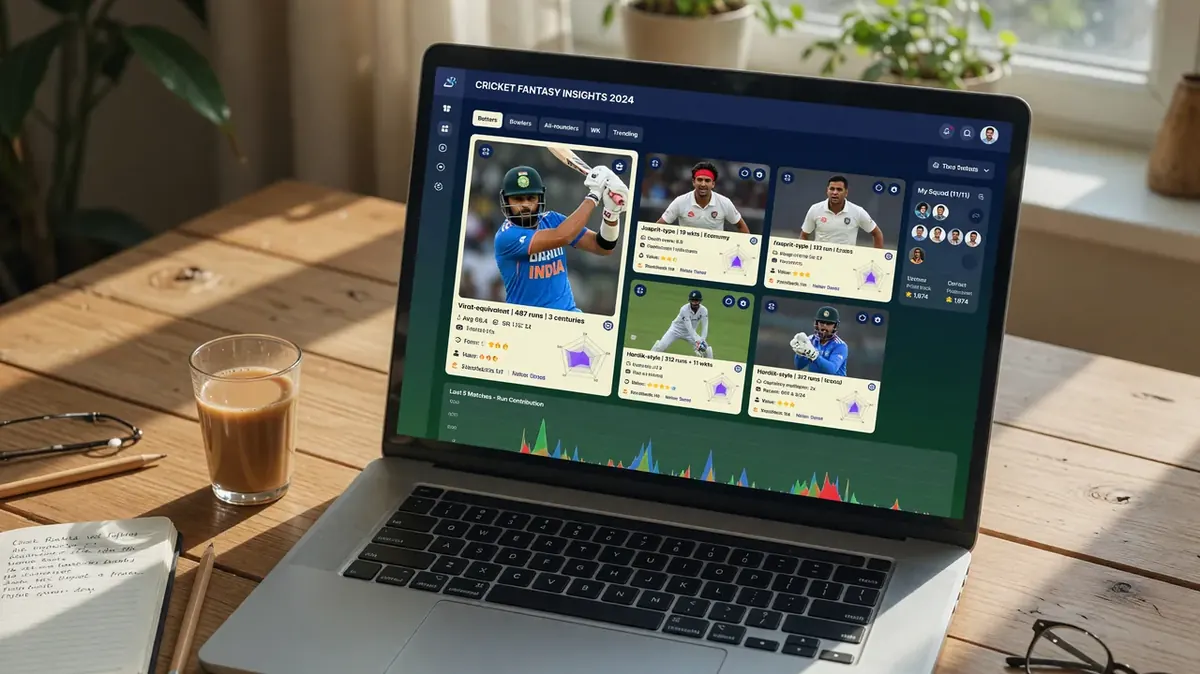
The warning signs are consistent: chasing a loss, increasing the entry fee to recover, hiding the habit from family, missing work or other commitments, borrowing money to fund the wallet, and feeling anxious when you cannot access the platform. The desk's position is that any one of these signs is a signal to take a break, and any two are a signal to use the self-exclusion tool and consult a free support service.
Free support services
The support services listed below are free, confidential, and available in multiple Indian languages. The desk does not endorse any specific service, and the desk updates the list as the public sources are updated. The contact details are accurate as of 22 July 2026; please verify on the service's official website before you call.
The desk's position is that the support services are an input, not a fallback. If you need them, use them early. The contact details are at the bottom of the customer-care page.
The habit should be a habit, not a compulsion. The tools are the inputs. The support services are the recovery.
How to read a self-exclusion tool you have never used before
A new self-exclusion tool is a tool the desk has not covered. The desk's reading of a new self-exclusion tool is conservative: read the exclusion period, read the activation steps, and read the reactivation process. The three reads are the inputs the desk recommends, and the inputs are the difference between a guess and a bet. The desk does not publish a hot take on a new self-exclusion tool, and the desk does not recommend a specific platform without the three reads. The reason is the same: a hot take is a guess, and a guess is not the product.
How the desk handles a self-exclusion tool that does not block marketing emails
A self-exclusion tool that does not block marketing emails is a signal to slow down, not a signal to dismiss. The desk's reading of an incomplete self-exclusion tool is conservative: read the exclusion scope, read the inputs the desk recommends, and read the corrections log. The three reads are the inputs the desk recommends, and the inputs are the difference between a guess and a bet. The desk publishes a correction when an incomplete self-exclusion tool is verified, and the correction is the input the desk recommends reading.
How to read a loss-limit tool you have never used before
A new loss-limit tool is a tool the desk has not covered. The desk's reading of a new loss-limit tool is conservative: read the limit period, read the limit amount, and read the activation steps. The three reads are the inputs the desk recommends, and the inputs are the difference between a guess and a bet. The desk does not publish a hot take on a new loss-limit tool, and the desk does not recommend a specific platform without the three reads. The reason is the same: a hot take is a guess, and a guess is not the product.
How the desk handles a loss-limit tool that does not persist across devices
A loss-limit tool that does not persist across devices is a signal to slow down, not a signal to dismiss. The desk's reading of a non-persistent loss-limit tool is conservative: read the persistence scope, read the inputs the desk recommends, and read the corrections log. The three reads are the inputs the desk recommends, and the inputs are the difference between a guess and a bet. The desk publishes a correction when a non-persistent loss-limit tool is verified, and the correction is the input the desk recommends reading.
How to read a time-control tool you have never used before
A new time-control tool is a tool the desk has not covered. The desk's reading of a new time-control tool is conservative: read the control period, read the activation steps, and read the reactivation process. The three reads are the inputs the desk recommends, and the inputs are the difference between a guess and a bet. The desk does not publish a hot take on a new time-control tool, and the desk does not recommend a specific platform without the three reads. The reason is the same: a hot take is a guess, and a guess is not the product.
How the desk handles a responsible-play tool on a day with no matches
The desk does not publish a responsible-play tool update on a day with no matches. The desk's reading of a no-match day is conservative: read the corrections log, read the editorial policy, and read the contact page. The three reads are the inputs the desk recommends, and the inputs are the difference between a guess and a bet. The desk does not publish a hot take on a no-match day, and the desk does not recommend a specific responsible-play tool. The reason is the same: a hot take is a guess, and a guess is not the product.
How to read a self-exclusion tool that has a reactivation period
A self-exclusion tool that has a reactivation period is a public document, and the public document is the source of truth. The desk's reading of a reactivation-period self-exclusion tool is conservative: read the exclusion period, read the reactivation period, and read the cooling-off period. The three reads are the inputs the desk recommends, and the inputs are the difference between a guess and a bet. The desk does not publish a hot take on a reactivation-period self-exclusion tool, and the desk does not recommend a specific platform without the three reads. The reason is the same: a hot take is a guess, and a guess is not the product.
How the desk handles a self-exclusion tool that has a minimum exclusion period
A self-exclusion tool that has a minimum exclusion period is a public document, and the public document is the source of truth. The desk's reading of a minimum-period self-exclusion tool is conservative: read the minimum period, read the activation steps, and read the reactivation process. The three reads are the inputs the desk recommends, and the inputs are the difference between a guess and a bet. The desk does not publish a hot take on a minimum-period self-exclusion tool, and the desk does not recommend a specific platform without the three reads. The reason is the same: a hot take is a guess, and a guess is not the product.
How to read a self-exclusion tool that is not reversible
A self-exclusion tool that is not reversible is a public document, and the public document is the source of truth. The desk's reading of a non-reversible self-exclusion tool is conservative: read the non-reversibility clause, read the activation steps, and read the reactivation process. The three reads are the inputs the desk recommends, and the inputs are the difference between a guess and a bet. The desk does not publish a hot take on a non-reversible self-exclusion tool, and the desk does not recommend a specific platform without the three reads. The reason is the same: a hot take is a guess, and a guess is not the product.
How the desk handles a loss-limit tool that can be raised without a cooling-off period
A loss-limit tool that can be raised without a cooling-off period is a signal to slow down, not a signal to dismiss. The desk's reading of a no-cooling-off loss-limit tool is conservative: read the cooling-off policy, compare the policy to the inputs the desk recommends, and read the corrections log. The three reads are the inputs the desk recommends, and the inputs are the difference between a guess and a bet. The desk publishes a correction when a no-cooling-off loss-limit tool is verified, and the correction is the input the desk recommends reading.
How to read a time-control tool that is reset by the platform
A time-control tool that is reset by the platform is a signal to slow down, not a signal to dismiss. The desk's reading of a platform-reset time-control tool is conservative: read the reset policy, compare the policy to the inputs the desk recommends, and read the corrections log. The three reads are the inputs the desk recommends, and the inputs are the difference between a guess and a bet. The desk publishes a correction when a platform-reset time-control tool is verified, and the correction is the input the desk recommends reading.
How the desk handles a responsible-play tool on a day with no matches
The desk does not publish a responsible-play tool update on a day with no matches. The desk's reading of a no-match day is conservative: read the corrections log, read the editorial policy, and read the contact page. The three reads are the inputs the desk recommends, and the inputs are the difference between a guess and a bet. The desk does not publish a hot take on a no-match day, and the desk does not recommend a specific responsible-play tool. The reason is the same: a hot take is a guess, and a guess is not the product.