
Wallet funding, KYC verification, and the inputs the desk recommends reading.
The wallet and KYC page explains the verification steps you should run before you fund a wallet, the documents the desk recommends having ready for KYC, and the signals that distinguish a legitimate KYC flow from a fraudulent one.

On this page
Funding a wallet: the verification steps
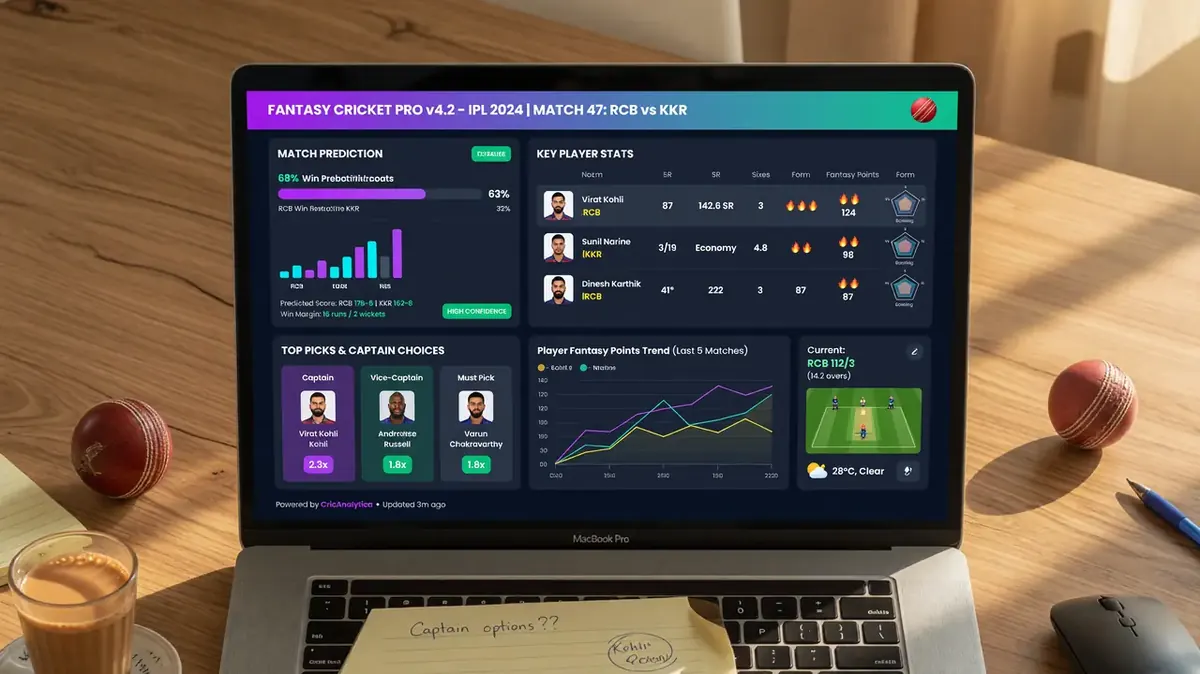
Before you fund a wallet, the desk recommends a four-step verification. First, confirm the platform's product identity through the terms page. Second, confirm the deposit minimum, the deposit fee, and the deposit methods. Third, confirm the KYC requirements: which documents the platform requires, and how long the verification takes. Fourth, confirm the withdrawal conditions: the minimum withdrawal, the withdrawal fee, and the withdrawal methods. The desk's position is that the four-step verification is conservative on purpose: the cost of waiting for a verified reading is less than the cost of a fraudulent charge.
KYC: the documents you need
KYC stands for "know your customer": the verification step a platform uses to confirm your identity. The desk's recommendation is to have the following documents ready before you start the KYC flow: a government-issued photo ID (Aadhaar, PAN, passport, or voter ID), a recent utility bill or bank statement as proof of address, and a bank account or UPI ID in your name. The KYC flow usually takes between 24 hours and 5 working days, depending on the platform and the volume of verifications.
Withdrawal: the inputs the desk reads
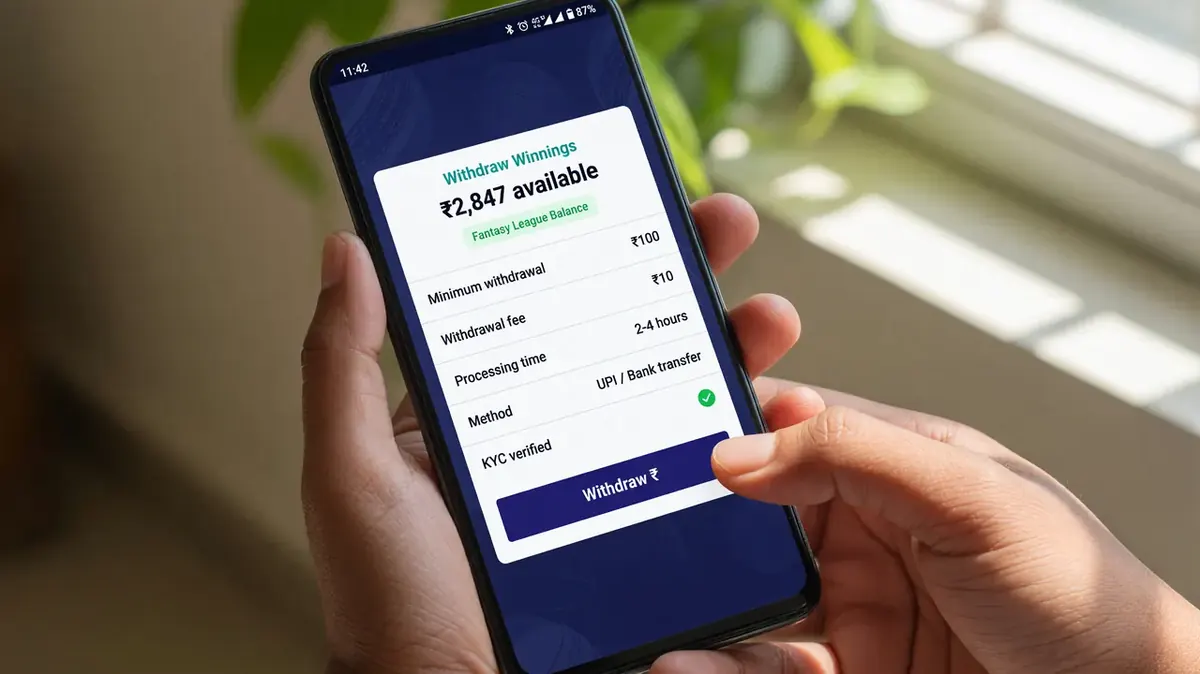
The withdrawal is the test of any wallet. The inputs the desk reads are: the minimum withdrawal, the withdrawal fee, the withdrawal methods, the withdrawal processing time, and any withdrawal conditions (such as a maximum withdrawal amount, a withdrawal method restriction, or a verification step before the withdrawal). The desk's recommendation is to read all five inputs before you fund a wallet, and to confirm the inputs are consistent with your own use case.
Fees, minimums, and the four-cost rule
The four-cost rule is the desk's framework for reading wallet costs. The four costs are: the deposit fee, the withdrawal fee, the inactivity fee, and the currency-conversion fee. The desk's recommendation is to read all four costs before you fund a wallet, and to compare the total cost across the platforms you are considering. A platform with a low deposit fee but a high inactivity fee is more expensive than a platform with a higher deposit fee but no inactivity fee.
Signals that distinguish a legitimate wallet from a fraudulent one
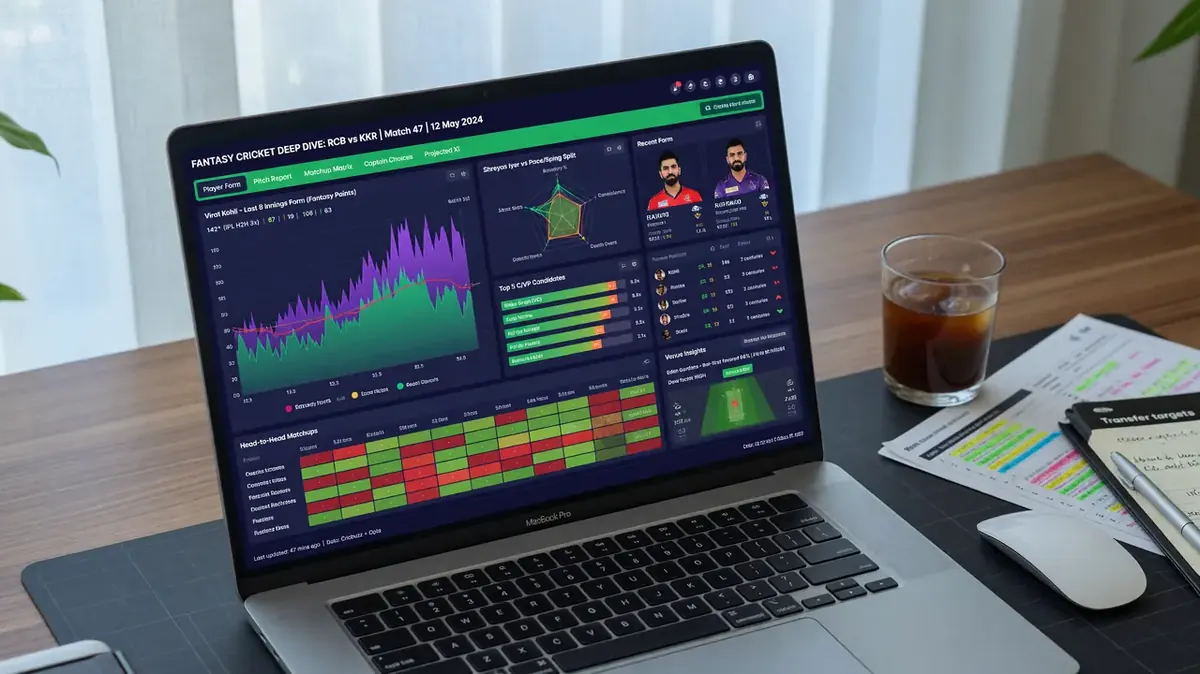
The signals are consistent. A legitimate wallet has a published fee structure, a published KYC policy, a published withdrawal processing time, and a published support channel. A fraudulent wallet omits one or more of these, or publishes them in vague language. The desk's recommendation is to treat any omission as a signal to slow down, and to read the rest of the offer more carefully.
Four costs, five inputs, one habit: read the wallet before you fund it.
Pair the wallet and KYC with the customer-care page
The wallet is the test. The customer-care page is the recovery. Read both before you sign up.
Affiliate disclosure: the button above routes through a first-party redirect. The desk may earn a small commission if you sign up.
How to read a wallet flow you have never used before
A new wallet flow is a flow the desk has not covered. The desk's reading of a new wallet flow is conservative: read the deposit minimum, read the deposit fee, read the KYC requirements, and read the withdrawal conditions. The four reads are the inputs the desk recommends, and the inputs are the difference between a guess and a bet. The desk does not publish a hot take on a new wallet flow, and the desk does not recommend a specific platform without the four reads. The reason is the same: a hot take is a guess, and a guess is not the product.
How the desk handles a wallet flow with a high deposit minimum
A wallet flow with a high deposit minimum is a signal to slow down, not a signal to dismiss. The desk's reading of a high-deposit wallet flow is conservative: read the deposit minimum, read the deposit fee, and read the terms page. The three reads are the inputs the desk recommends, and the inputs are the difference between a guess and a bet. The desk publishes a correction when a high-deposit wallet flow is verified, and the correction is the input the desk recommends reading.
How to read a wallet flow with a long KYC processing time
A wallet flow with a long KYC processing time is a signal to slow down, not a signal to dismiss. The desk's reading of a long-KYC wallet flow is conservative: read the KYC processing time, read the KYC requirements, and read the terms page. The three reads are the inputs the desk recommends, and the inputs are the difference between a guess and a bet. The desk publishes a correction when a long-KYC wallet flow is verified, and the correction is the input the desk recommends reading.
How the desk handles a wallet flow with restrictive withdrawal conditions
A wallet flow with restrictive withdrawal conditions is a signal to slow down, not a signal to dismiss. The desk's reading of a restrictive-withdrawal wallet flow is conservative: read the withdrawal conditions, read the withdrawal fee, and read the terms page. The three reads are the inputs the desk recommends, and the inputs are the difference between a guess and a bet. The desk publishes a correction when a restrictive-withdrawal wallet flow is verified, and the correction is the input the desk recommends reading.
How to read a wallet flow that does not publish fees
A wallet flow that does not publish fees is a signal to slow down, not a signal to dismiss. The desk's reading of a no-fees wallet flow is conservative: read the deposit fee, read the withdrawal fee, and read the terms page. The three reads are the inputs the desk recommends, and the inputs are the difference between a guess and a bet. The desk publishes a correction when a no-fees wallet flow is verified, and the correction is the input the desk recommends reading.
How the desk handles a wallet flow on a day with no matches
The desk does not publish a wallet flow update on a day with no matches. The desk's reading of a no-match day is conservative: read the corrections log, read the editorial policy, and read the responsible-play page. The three reads are the inputs the desk recommends, and the inputs are the difference between a guess and a bet. The desk does not publish a hot take on a no-match day, and the desk does not recommend a specific wallet flow. The reason is the same: a hot take is a guess, and a guess is not the product.
How to read a wallet flow with a maximum deposit
A wallet flow with a maximum deposit is a public document, and the public document is the source of truth. The desk's reading of a maximum-deposit wallet flow is conservative: read the maximum deposit, read the deposit fee, and read the terms page. The three reads are the inputs the desk recommends, and the inputs are the difference between a guess and a bet. The desk does not publish a hot take on a maximum-deposit wallet flow, and the desk does not recommend a specific platform without the three reads. The reason is the same: a hot take is a guess, and a guess is not the product.
How the desk handles a wallet flow with a maximum withdrawal
A wallet flow with a maximum withdrawal is a public document, and the public document is the source of truth. The desk's reading of a maximum-withdrawal wallet flow is conservative: read the maximum withdrawal, read the withdrawal fee, and read the terms page. The three reads are the inputs the desk recommends, and the inputs are the difference between a guess and a bet. The desk does not publish a hot take on a maximum-withdrawal wallet flow, and the desk does not recommend a specific platform without the three reads. The reason is the same: a hot take is a guess, and a guess is not the product.
How to read a KYC flow that uses video verification
A KYC flow that uses video verification is a public document, and the public document is the source of truth. The desk's reading of a video-verification KYC flow is conservative: read the flow, read the inputs the desk recommends, and read the privacy policy. The three reads are the inputs the desk recommends, and the inputs are the difference between a guess and a bet. The desk does not publish a hot take on a video-verification KYC flow, and the desk does not recommend a specific platform without the three reads. The reason is the same: a hot take is a guess, and a guess is not the product.
How the desk handles a KYC flow that asks for a selfie
A KYC flow that asks for a selfie is a public document, and the public document is the source of truth. The desk's reading of a selfie-requesting KYC flow is conservative: read the flow, read the inputs the desk recommends, and read the privacy policy. The three reads are the inputs the desk recommends, and the inputs are the difference between a guess and a bet. The desk does not publish a hot take on a selfie-requesting KYC flow, and the desk does not recommend a specific platform without the three reads. The reason is the same: a hot take is a guess, and a guess is not the product.
How to read a wallet flow that is not available in your jurisdiction
A wallet flow that is not available in your jurisdiction is a signal to slow down, not a signal to dismiss. The desk's reading of a jurisdiction-restricted wallet flow is conservative: read the jurisdiction, compare the jurisdiction to the legal status page, and read the terms page. The three reads are the inputs the desk recommends, and the inputs are the difference between a guess and a bet. The desk publishes a correction when a jurisdiction-restricted wallet flow is verified, and the correction is the input the desk recommends reading.
How the desk handles a wallet flow on a day with no matches
The desk does not publish a wallet flow update on a day with no matches. The desk's reading of a no-match day is conservative: read the corrections log, read the editorial policy, and read the responsible-play page. The three reads are the inputs the desk recommends, and the inputs are the difference between a guess and a bet. The desk does not publish a hot take on a no-match day, and the desk does not recommend a specific wallet flow. The reason is the same: a hot take is a guess, and a guess is not the product.