
How to read a bonus code, and what the fine print actually says.
The desk has not verified a current LetsGame bonus code as of 22 July 2026. Below explains the four clauses that matter in any bonus offer, the signals to look for, and the verification steps you should run before you enter a code.

On this page
Verification status, as of 22 July 2026
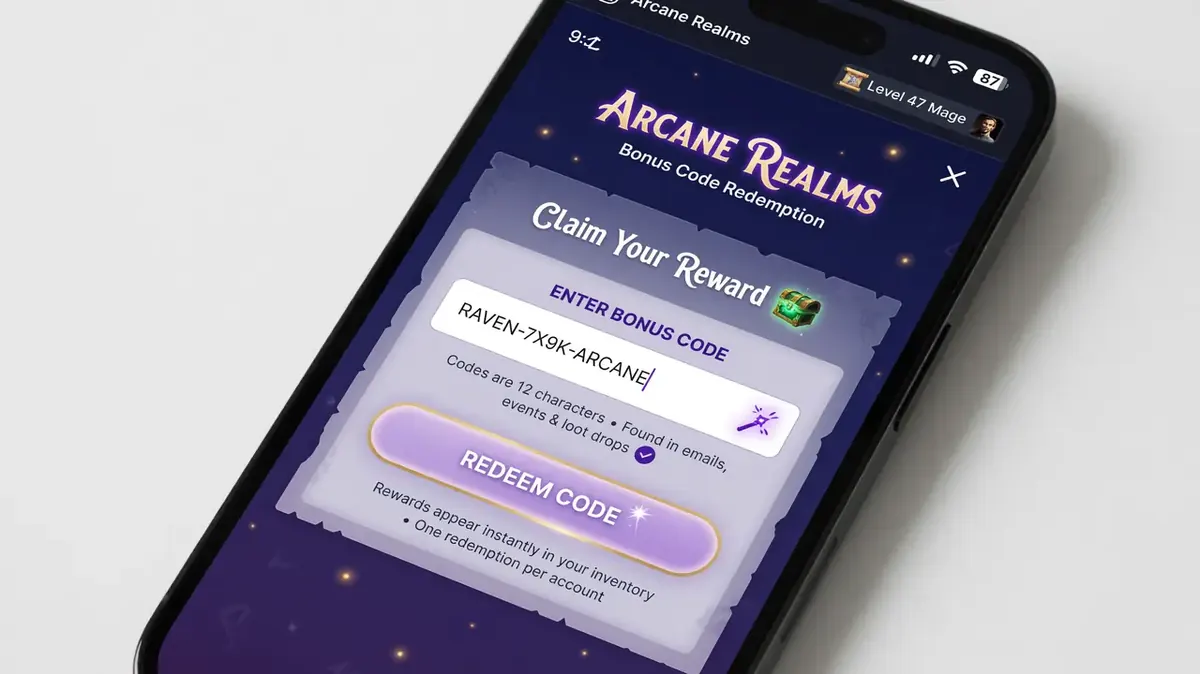
The desk has not verified a current LetsGame bonus code as of 22 July 2026. The verification step requires a public source from the platform itself: a terms page, a promotional email, or an in-product banner. The desk updates the topic below when a verified offer is published. The four clauses below apply to any bonus code, on any platform, and they are the inputs the desk recommends reading before you enter a code.
Clause 1: wagering requirements
Wagering requirements are the number of times you must play through the bonus amount before you can withdraw. A bonus with a 5x wagering requirement on a ₹100 bonus means you must place ₹500 of entry fees before the bonus becomes withdrawable. The desk's position is that high wagering requirements are a signal to read the rest of the offer more carefully, not a signal to skip the offer. A bonus with a 1x wagering requirement is more valuable than a bonus with a 10x wagering requirement, all else equal.
Clause 2: expiry
The expiry is the date by which the bonus must be used, and the date by which the wagering requirements must be met. A bonus that expires in seven days is less valuable than a bonus that expires in thirty days, all else equal. The desk's recommendation is to read the expiry before you enter the code, and to plan the entry fees to fit inside the expiry window.
Clause 3: eligibility
Eligibility is the set of conditions you must meet to claim the bonus. Common eligibility conditions are: you must be a new customer, you must be in an eligible jurisdiction, you must not have claimed a previous bonus, and you must meet a minimum deposit. The desk's recommendation is to read the eligibility clause before you enter the code, and to confirm you meet every condition.
Clause 4: withdrawal conditions

The withdrawal conditions are the rules that govern how and when you can withdraw the bonus or the winnings from the bonus. Common conditions are: a maximum withdrawal amount, a withdrawal method restriction, and a verification step before the withdrawal. The desk's recommendation is to read the withdrawal clause twice, and to confirm the conditions before you enter the code.
A pre-entry checklist for any bonus code
Before you enter any bonus code, the desk recommends a five-step checklist. First, confirm the code is from a verified source. Second, read the wagering requirements. Third, read the expiry. Fourth, read the eligibility clause. Fifth, read the withdrawal conditions. If any of the five steps are unclear, the desk recommends not entering the code.
Four clauses, five checks, one habit: read the fine print before you enter the code.
Pair the bonus code with the responsible-play page
The four clauses apply to any offer. The responsible-play page applies to any habit. Read both before you enter a code.
Affiliate disclosure: the button above routes through a first-party redirect. The desk may earn a small commission if you sign up.
How to read a bonus offer you have never seen before
A new bonus offer is an offer the desk has not covered. The desk's reading of a new bonus offer is conservative: read the wagering requirements, read the expiry, read the eligibility, and read the withdrawal conditions. The four reads are the inputs the desk recommends, and the inputs are the difference between a guess and a bet. The desk does not publish a hot take on a new bonus offer, and the desk does not recommend a specific offer without the four reads. The reason is the same: a hot take is a guess, and a guess is not the product.
How the desk handles a bonus offer with vague wagering requirements
A bonus offer with vague wagering requirements is a signal to slow down, not a signal to dismiss. The desk's reading of a vague-wagering bonus offer is conservative: read the wagering requirements, read the terms page, and read the publisher name. The three reads are the inputs the desk recommends, and the inputs are the difference between a guess and a bet. The desk publishes a correction when a vague-wagering bonus offer is verified, and the correction is the input the desk recommends reading.
How to read a bonus offer with a short expiry
A bonus offer with a short expiry is a signal to slow down, not a signal to dismiss. The desk's reading of a short-expiry bonus offer is conservative: read the expiry, read the wagering requirements, and read the eligibility. The three reads are the inputs the desk recommends, and the inputs are the difference between a guess and a bet. The desk publishes a correction when a short-expiry bonus offer is verified, and the correction is the input the desk recommends reading.
How the desk handles a bonus offer with restrictive eligibility
A bonus offer with restrictive eligibility is a signal to slow down, not a signal to dismiss. The desk's reading of a restrictive-eligibility bonus offer is conservative: read the eligibility, read the jurisdiction, and read the terms page. The three reads are the inputs the desk recommends, and the inputs are the difference between a guess and a bet. The desk publishes a correction when a restrictive-eligibility bonus offer is verified, and the correction is the input the desk recommends reading.
How to read a bonus offer with restrictive withdrawal conditions
A bonus offer with restrictive withdrawal conditions is a signal to slow down, not a signal to dismiss. The desk's reading of a restrictive-withdrawal bonus offer is conservative: read the withdrawal conditions, read the wagering requirements, and read the eligibility. The three reads are the inputs the desk recommends, and the inputs are the difference between a guess and a bet. The desk publishes a correction when a restrictive-withdrawal bonus offer is verified, and the correction is the input the desk recommends reading.
How the desk handles a bonus offer on a day with no matches
The desk does not publish a bonus offer update on a day with no matches. The desk's reading of a no-match day is conservative: read the corrections log, read the editorial policy, and read the responsible-play page. The three reads are the inputs the desk recommends, and the inputs are the difference between a guess and a bet. The desk does not publish a hot take on a no-match day, and the desk does not recommend a specific bonus offer. The reason is the same: a hot take is a guess, and a guess is not the product.
How to read a bonus offer that requires a minimum deposit
A bonus offer that requires a minimum deposit is a signal to slow down, not a signal to dismiss. The desk's reading of a minimum-deposit bonus offer is conservative: read the minimum deposit, read the bonus amount, and read the terms page. The three reads are the inputs the desk recommends, and the inputs are the difference between a guess and a bet. The desk publishes a correction when a minimum-deposit bonus offer is verified, and the correction is the input the desk recommends reading.
How the desk handles a bonus offer that requires a maximum bet
A bonus offer that requires a maximum bet is a signal to slow down, not a signal to dismiss. The desk's reading of a maximum-bet bonus offer is conservative: read the maximum bet, read the wagering requirements, and read the terms page. The three reads are the inputs the desk recommends, and the inputs are the difference between a guess and a bet. The desk publishes a correction when a maximum-bet bonus offer is verified, and the correction is the input the desk recommends reading.
How to read a bonus offer that is restricted to a single contest
A bonus offer that is restricted to a single contest is a signal to slow down, not a signal to dismiss. The desk's reading of a single-contest bonus offer is conservative: read the contest eligibility, read the wagering requirements, and read the terms page. The three reads are the inputs the desk recommends, and the inputs are the difference between a guess and a bet. The desk publishes a correction when a single-contest bonus offer is verified, and the correction is the input the desk recommends reading.
How the desk handles a bonus offer that requires a referral code
A bonus offer that requires a referral code is a signal to slow down, not a signal to dismiss. The desk's reading of a referral-required bonus offer is conservative: read the referral code, read the bonus amount, and read the terms page. The three reads are the inputs the desk recommends, and the inputs are the difference between a guess and a bet. The desk publishes a correction when a referral-required bonus offer is verified, and the correction is the input the desk recommends reading.
How to read a bonus offer that expires within 24 hours
A bonus offer that expires within 24 hours is a signal to slow down, not a signal to dismiss. The desk's reading of a 24-hour-expiry bonus offer is conservative: read the expiry, read the wagering requirements, and read the eligibility. The three reads are the inputs the desk recommends, and the inputs are the difference between a guess and a bet. The desk publishes a correction when a 24-hour-expiry bonus offer is verified, and the correction is the input the desk recommends reading.
How the desk handles a bonus offer on a day with no matches
The desk does not publish a bonus offer update on a day with no matches. The desk's reading of a no-match day is conservative: read the corrections log, read the editorial policy, and read the responsible-play page. The three reads are the inputs the desk recommends, and the inputs are the difference between a guess and a bet. The desk does not publish a hot take on a no-match day, and the desk does not recommend a specific bonus offer. The reason is the same: a hot take is a guess, and a guess is not the product.