
Pick the captain with a framework, not a hunch.
The captain pick is the single biggest swing on a fantasy leaderboard. The desk's framework breaks the choice into five inputs, and the order matters.

On this page
The five-input framework
The framework is a sequence, not a checklist. The desk reads the inputs in order, and the order is part of the discipline. Reading the match-up before the opportunity, or the ownership before the floor, often produces a captain pick that is theoretically correct and practically wrong. The five inputs are: opportunity, match-up, floor, ceiling, ownership, and the lock. The lock is the moment the lineup stops moving.
Input 1: opportunity
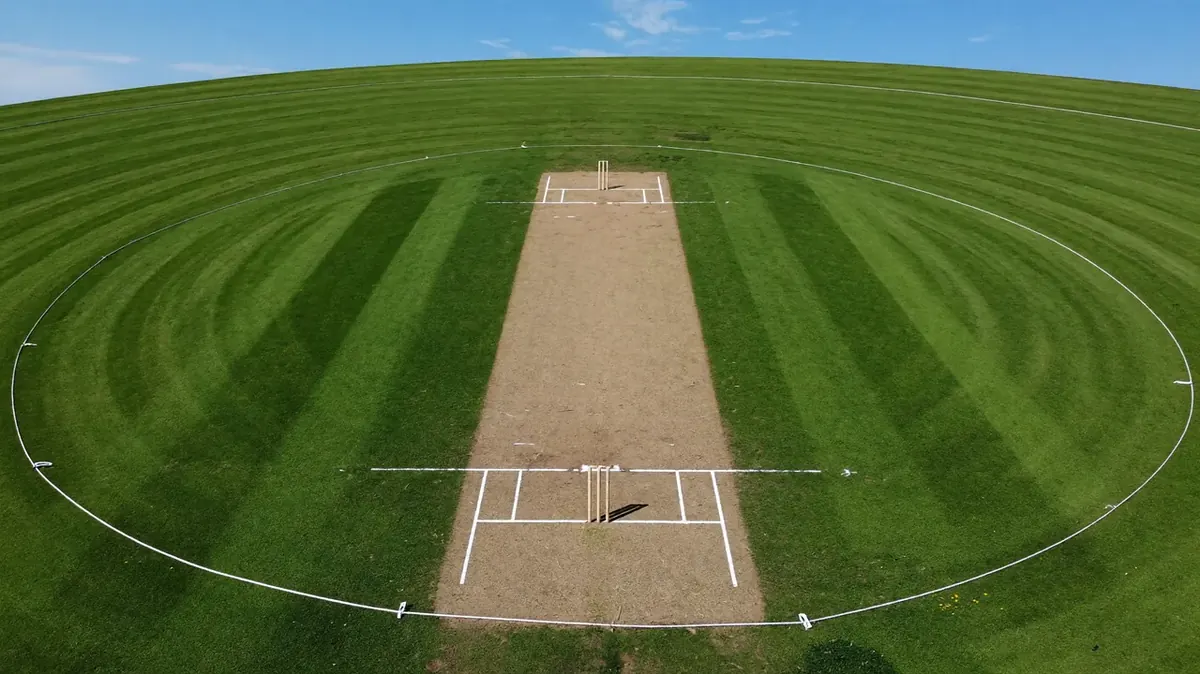
Opportunity is the most stable input and the easiest to read. The role determines the expected number of balls faced or overs bowled. A top-order bat in a settled role is a different asset from a top-order bat in a shuffled order. A fast bowler who has bowled four overs in each of the last three matches is a different asset from a fast bowler who has bowled two overs in each of the last three. Read the role, not the name. Read the recent role, not the career average.
Input 2: match-up
The match-up is the bowler the captain candidate is most likely to face in the powerplay and the death overs. A match-up is specific: it names the bowler, the phase, and the expected number of balls. A general statement such as "bats well against pace" is not a match-up; it is a reputation. The desk's match previews include a match-up section for the captain candidate.
Input 3: floor, then ceiling
The floor is the lowest score the captain is likely to post in a typical match, given the opportunity and the match-up. The ceiling is the highest score the captain is likely to post. A high floor with a moderate ceiling often beats a moderate floor with a high ceiling, especially in large contests with a deep leaderboard. A high ceiling with a moderate floor climbs the leaderboard in small contests where the field is volatile. The desk recommends reading the floor first, then the ceiling.
Input 4: ownership risk
Ownership is the percentage of teams in the contest that include the captain candidate. A high-ownership captain needs an outsized ceiling to gain on the field. A low-ownership captain can climb the leaderboard with a moderate score. The desk's position is that ownership is a tiebreaker, not a primary input. A captain with a high floor and a high match-up score is the captain pick, regardless of ownership. A captain with a moderate floor and a moderate match-up score is where ownership becomes useful.
Input 5: the lock at the deadline
The lock is the moment the lineup stops moving. The desk's position is to lock the lineup at the deadline, not the lock, and not to swap the captain after the toss. Post-toss swaps are tempting. They also break the framework. The platform may allow a swap; the desk still recommends you stop. The reason is simple: the framework is reproducible, and the swap is not. If the framework produces a captain pick, the framework should keep producing captain picks.
Worked example
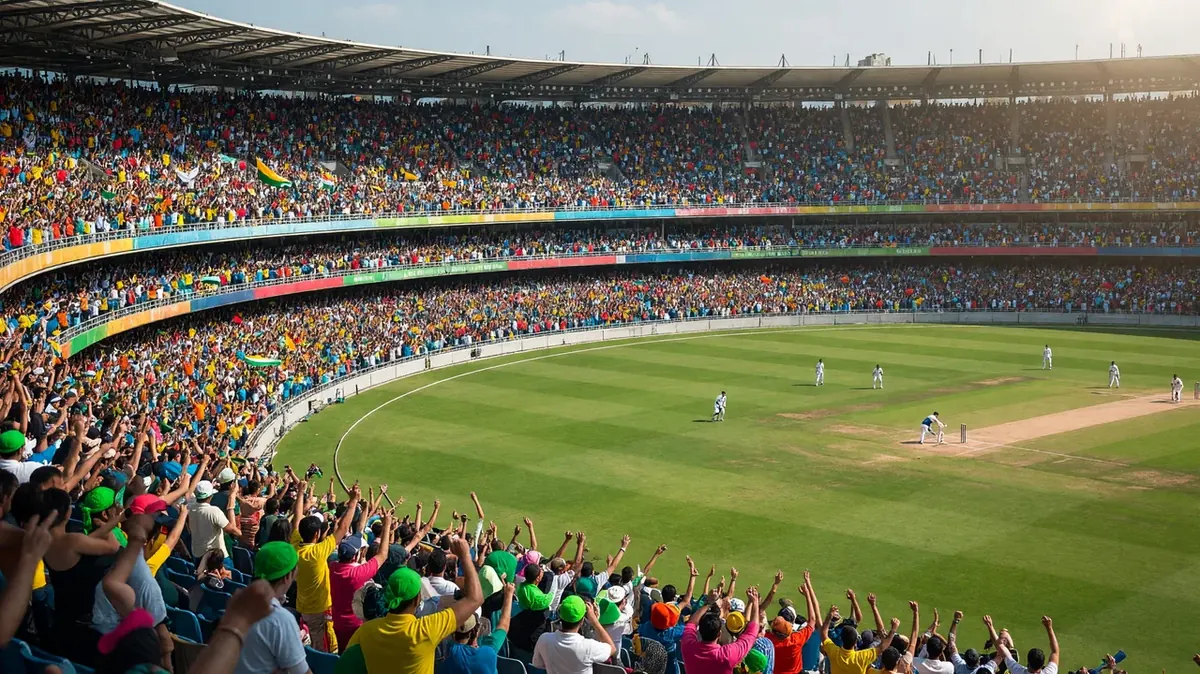
Consider a top-order T20 bat in a high-scoring chase. The opportunity is high: the player is expected to face 40 to 55 balls. The match-up is moderate: the opponent's death-overs bowler has been expensive in the last three matches. The floor is around 30 fantasy points; the ceiling is around 110. Ownership is 28 percent. The contest is a small, high-prize contest. The captain pick is the player: a moderate floor with a high ceiling, in a contest that rewards ceiling, in a match that rewards opportunity. The vice-captain is a different player with a higher floor and a lower ceiling.
The vice-captain, in one paragraph
The vice-captain is the second-largest swing on the leaderboard. The desk's position is that the vice-captain should be a high-floor pick with a moderate ceiling, the opposite profile of the captain. If the captain is a high-ceiling differential, the vice-captain is a high-floor consistent. If the captain does not play, the vice-captain carries the 2x multiplier; the desk recommends the vice-captain pick is a player who is highly likely to be in the playing XI, not a speculative pick.
The captain is the swing. The vice-captain is the floor. Read them in that order.
Pair the captain pick with the points table
The framework tells you who carries the 2x multiplier. The points table tells you how the multiplier compounds across formats.
How to read the framework on a captain you have never picked
A new captain is a captain the desk has not covered. The desk's reading of a new captain is conservative: read the opportunity, read the match-up, read the floor, read the ceiling, and read the ownership. The five reads are the inputs the desk recommends, and the inputs are the difference between a guess and a bet. The desk does not publish a hot take on a new captain, and the desk does not recommend a specific captain without the five reads. The reason is the same: a hot take is a guess, and a guess is not the product.
How the desk handles a captain pick that ignores the framework
The desk treats a captain pick that ignores the framework as a public document, and the public document is the source of truth. The desk's reading of an off-framework captain pick is conservative: read the pick, compare the pick to the framework, and write a one-paragraph note on the differences. The note is the input the desk recommends, and the input is the difference between a guess and a bet. The desk publishes a correction when an off-framework captain pick is verified, and the correction is the input the desk recommends reading.
How to read the opportunity input on a player who has been rested
A rested player is a player who has not played in the last match. The desk's reading of a rested player is conservative: read the role before the rest, read the role after the rest, and read the reason for the rest. The three reads are the inputs the desk recommends, and the inputs are the difference between a guess and a bet. The desk does not publish a hot take on a rested player, and the desk does not recommend a specific captain pick that ignores the three reads. The reason is the same: a hot take is a guess, and a guess is not the product.
How to read the match-up input on a bowler you have never faced
A new bowler is a bowler the desk has not covered. The desk's reading of a new bowler is conservative: read the role, read the recent usage, read the phase, and read the economy. The four reads are the inputs the desk recommends, and the inputs are the difference between a guess and a bet. The desk does not publish a hot take on a new bowler, and the desk does not recommend a specific match-up that ignores the four reads. The reason is the same: a hot take is a guess, and a guess is not the product.
How to read the ownership input on a captain everyone is picking
A high-ownership captain is a captain who is in a large percentage of teams in the contest. The desk's reading of a high-ownership captain is conservative: read the ownership, compare the ownership to the contest size, and read the ceiling. The three reads are the inputs the desk recommends, and the inputs are the difference between a guess and a bet. The desk does not publish a hot take on a high-ownership captain, and the desk does not recommend a specific captain pick that ignores the three reads. The reason is the same: a hot take is a guess, and a guess is not the product.
How the desk handles a captain pick on a day with no matches
The desk does not publish a captain pick on a day with no matches. The desk's reading of a no-match day is conservative: read the corrections log, read the editorial policy, and read the responsible-play page. The three reads are the inputs the desk recommends, and the inputs are the difference between a guess and a bet. The desk does not publish a hot take on a no-match day, and the desk does not recommend a specific captain. The reason is the same: a hot take is a guess, and a guess is not the product.