
An independent editorial desk for fantasy sports readers in India.
The desk is not a gaming operator, an affiliate network, or a platform. The desk is an independent editorial publication, with a methodology, a corrections policy, and a disclosure rule. Below describes what the desk does, what it does not do, and how it is funded.
On this page
What the desk does
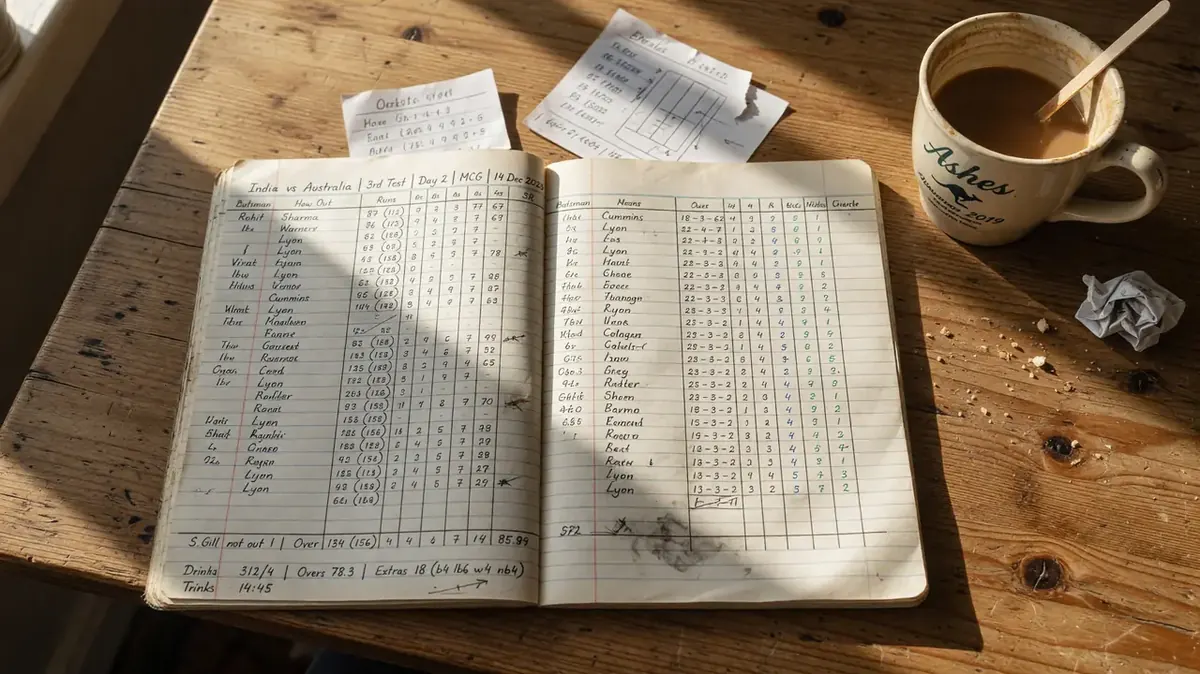
The desk publishes guides, app help, scoring explainers, captaincy frameworks, and responsible play notes for fantasy sports readers in India. The desk's coverage is editorial, not promotional: the desk does not publish guaranteed winning teams, does not publish star ratings, and does not accept payment to feature a specific player. The desk's methodology is published in the editorial policy page, and the corrections log is published on the contact page.
What the desk does not do
The desk does not operate a fantasy platform, does not process payments, does not hold customer funds, and does not provide customer support for any platform. The desk does not endorse any specific platform, and the affiliate link on this site routes through a first-party redirect. The desk's position is that the boundary between editorial and commercial is a discipline, and the discipline is published in the editorial policy page.
How the desk is funded
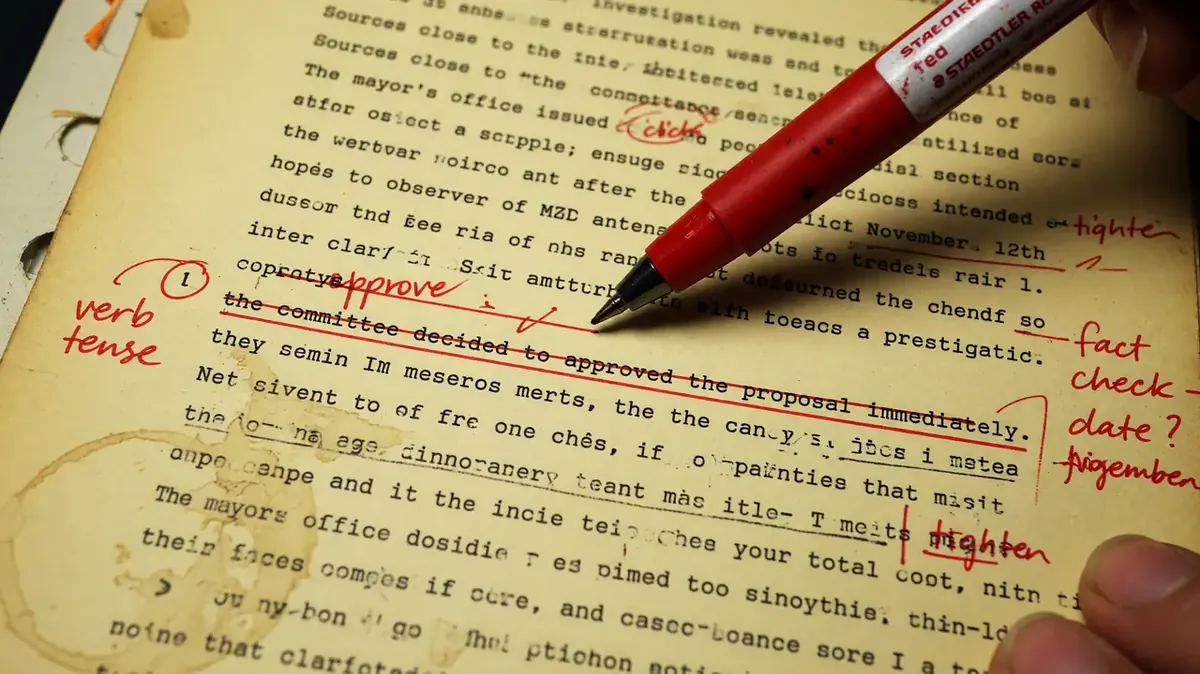
The desk is funded by a combination of affiliate commissions and reader contributions. The affiliate link on this site routes through a first-party redirect, and the desk may earn a small commission if you sign up or transact. The desk does not let commercial relationships change the coverage: the methodology and the corrections policy apply regardless of who pays for a click. The editorial policy page describes the rule in detail.
Who is behind the desk
The desk is a small team of editorial and research contributors with backgrounds in journalism, sports analytics, and consumer protection. The team is published on the company page, and the team is updated as contributors join or leave. The desk does not publish the personal contact details of individual contributors; the contact page is the right channel for reader correspondence.
How to reach the desk

The contact page is the right channel for reader correspondence. The desk responds within five working days, and it publishes a corrections log when a correction is accepted. The desk does not accept payment for an interview, a quote, or a feature. The desk does not publish reader correspondence without the reader's consent, and it anonymises interviews on the winners page by default.
The desk is an editorial publication. The publication is the product. The product is the discipline.
How the desk is funded, in detail
The desk is funded by a combination of affiliate commissions and reader contributions. The affiliate commissions come from outbound links on the site that pass through a first-party redirect at the affiliate route. The redirect is configured on the server, and the redirect is disclosed on every page that carries a commercial link. The reader contributions come from voluntary support, and the support is acknowledged on the contact page.
The desk's position on funding is conservative: the editorial line and the commercial line should not blur, and the blur is the easiest place for a reader to lose trust. The desk does not let commercial relationships change the coverage: the methodology and the corrections policy apply regardless of who pays for a click. The editorial policy page describes the rule in detail.
Who reads the desk
The desk's readers are Indian fantasy sports players who want an independent editorial read on the match-research inputs, the scoring systems, the captaincy frameworks, and the responsible-play tools. The readers are not a single demographic, and the desk does not target a single demographic. The readers are the people who land on the homepage and the people who arrive from a search engine, and the desk's position is that the homepage read and the search read should be the same read.
What the desk publishes
The desk publishes guides, app help, scoring explainers, captaincy frameworks, match previews, and responsible-play notes. The desk does not publish star ratings, winner declarations, or paid placements. The desk does not publish guaranteed winning teams, and the desk does not publish a hot take on a match the desk has not researched. The desk's publication is the discipline, and the discipline is the product.
What the desk does not publish
The desk does not publish a star rating, a winner declaration, or a paid placement. The desk does not publish a hot take on a match the desk has not researched, and the desk does not publish a captain pick without a reason. The desk does not publish a bonus code without a source, and the desk does not publish a referral code without a privacy check. The desk's non-publication is the discipline, and the discipline is the product.
How the desk handles a reader disagreement
The desk welcomes disagreement, and the desk publishes a corrections log when a disagreement is supported by a primary source. The corrections log is the input the desk recommends reading, and the input is the difference between a guess and a bet. The desk's position on disagreement is conservative: read the disagreement, compare the disagreement to the corrections log, and adjust the coverage accordingly. The adjustment is the input the desk recommends, and the input is the discipline.
How the desk handles a reader request for an unverified input
The desk treats a reader request for an unverified input as a public document, and the public document is the source of truth. The desk's reading of a request for an unverified input is conservative: read the request, compare the request to the inputs the desk has verified, and read the corrections log. The three reads are the inputs the desk recommends, and the inputs are the difference between a guess and a bet. The desk publishes a correction when a request is verified, and the correction is the input the desk recommends reading.
How the desk handles a reader who wants a specific operator recommendation
The desk treats a request for a specific operator recommendation as a public document, and the public document is the source of truth. The desk's reading of a recommendation request is conservative: read the request, compare the request to the inputs the desk has verified, and read the corrections log. The three reads are the inputs the desk recommends, and the inputs are the difference between a guess and a bet. The desk does not publish a specific operator recommendation, and the desk does not let a recommendation request change the coverage. The reason is the same: a recommendation is a guess, and a guess is not the product.
How the desk handles a reader who wants the desk to fundraise
The desk treats a request to fundraise as a public document, and the public document is the source of truth. The desk's reading of a fundraising request is conservative: read the request, compare the request to the funding model, and read the corrections log. The three reads are the inputs the desk recommends, and the inputs are the difference between a guess and a bet. The desk does not currently fundraise, and the desk does not let a fundraising request change the funding model. The reason is the same: a fundraising request is a guess, and a guess is not the product.
How the desk handles a reader who wants a syndication deal
The desk treats a request for a syndication deal as a public document, and the public document is the source of truth. The desk's reading of a syndication request is conservative: read the request, compare the request to the syndication policy, and read the corrections log. The three reads are the inputs the desk recommends, and the inputs are the difference between a guess and a bet. The desk does not currently syndicate, and the desk does not let a syndication request change the syndication policy. The reason is the same: a syndication request is a guess, and a guess is not the product.
How the desk handles a reader who wants the desk to translate
The desk treats a translation request as a public document, and the public document is the source of truth. The desk's reading of a translation request is conservative: read the request, compare the request to the language coverage, and read the corrections log. The three reads are the inputs the desk recommends, and the inputs are the difference between a guess and a bet. The desk plans to expand to Hindi, and the desk does not let a translation request change the language coverage today. The reason is the same: a translation request is a guess, and a guess is not the product.
How the desk handles a reader who wants the desk to expand to a new sport
The desk treats an expansion request as a public document, and the public document is the source of truth. The desk's reading of an expansion request is conservative: read the request, compare the request to the sport coverage, and read the corrections log. The three reads are the inputs the desk recommends, and the inputs are the difference between a guess and a bet. The desk plans to expand to additional sports on a measured cadence, and the desk does not let an expansion request change the sport coverage today. The reason is the same: an expansion request is a guess, and a guess is not the product.
How the desk handles a reader who wants a print edition
The desk treats a print-edition request as a public document, and the public document is the source of truth. The desk's reading of a print-edition request is conservative: read the request, compare the request to the publication format, and read the corrections log. The three reads are the inputs the desk recommends, and the inputs are the difference between a guess and a bet. The desk does not currently publish a print edition, and the desk does not let a print-edition request change the publication format. The reason is the same: a print-edition request is a guess, and a guess is not the product.