
Reach the editorial desk, or report a correction.
The contact page is a support page, not a editorial guide. The desk does not earn a commission for clicks to the contact page. The page lists the inputs the desk recommends sending, the response time, and the corrections log.
The desk's verified email channel
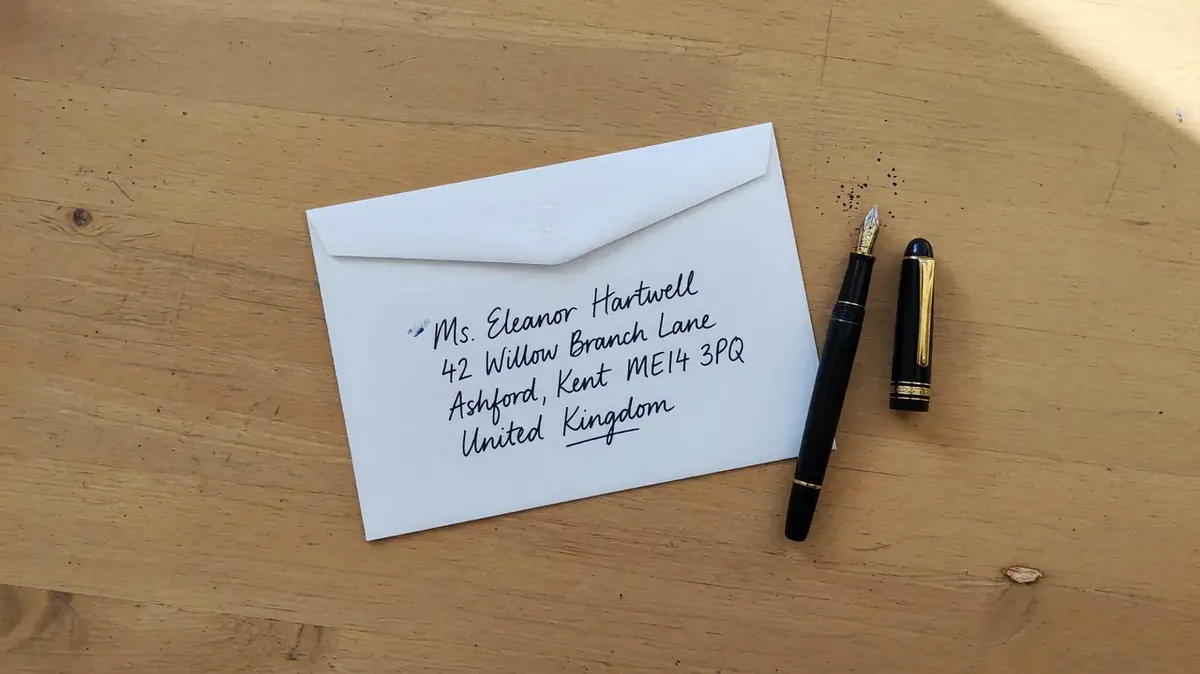
The desk's verified email channel is published on the contact page when the channel is set up. Until then, the desk recommends using the contact form on the platform you are writing about, with a copy to the editorial-policy email if the issue is editorial. The desk does not publish a generic inbox, and it does not accept reader correspondence through third-party contact forms that claim to be the desk's channel.
What to send
When you contact the desk, the desk recommends including the following inputs: a clear subject line, the URL of the page you are writing about, the input you want to flag (a number, a quote, a source link, a date), the source you want the desk to verify against, and your contact email. The desk's position is that the more inputs you provide upfront, the faster the desk can respond.
Response time
The desk commits to respond within five working days. The response may be an acknowledgement, a request for more information, or a publication of a correction. The desk does not commit to a specific resolution time, and the desk does not commit to publishing a correction in every case. The editorial policy page describes the rule in detail.
The corrections log
The corrections log is published at the bottom of the topic below. The log lists the page that was corrected, the input that was changed, the date of the correction, and a link to the original source the correction was based on. The desk's position is that the corrections log is a publication, and the publication is a discipline.
The log is updated as corrections are accepted. The desk does not publish corrections that are not supported by a primary source, and it does not publish corrections that are not based on a verified input from the reader.
The contact is a discipline. The corrections log is the publication. Both are the product.
What the desk does with a reader email
The desk's reading of a reader email is conservative: read the email, compare the email to the inputs the desk has verified, and read the corrections log. The three reads are the inputs the desk recommends, and the inputs are the difference between a guess and a bet. The desk publishes a correction when a reader email is verified, and the correction is the input the desk recommends reading. The desk does not publish reader emails without the reader's consent, and the desk anonymises reader correspondence by default.
How the desk handles a reader email that is off-topic
The desk treats a reader email that is off-topic as a public document, and the public document is the source of truth. The desk's reading of an off-topic reader email is conservative: read the email, compare the email to the coverage, and read the corrections log. The three reads are the inputs the desk recommends, and the inputs are the difference between a guess and a bet. The desk does not publish an off-topic reader email, and the desk does not let an off-topic reader email change the coverage.
How to read a corrections log entry
A corrections log entry is a public document, and the public document is the source of truth. The desk's reading of a corrections log entry is conservative: read the entry, compare the entry to the original input, and read the source. The three reads are the inputs the desk recommends, and the inputs are the difference between a guess and a bet. The desk publishes a corrections log entry when a reader email is verified, and the entry is the input the desk recommends reading.
How the desk handles a reader email that is abusive
The desk does not engage with abusive reader emails. The desk's reading of an abusive reader email is conservative: read the email, do not respond, and read the corrections log. The three reads are the inputs the desk recommends, and the inputs are the difference between a guess and a bet. The desk does not publish an abusive reader email, and the desk does not let an abusive reader email change the coverage. The reason is straightforward: an abusive reader email is not an input, and the desk publishes inputs.
How to read the response time
The response time is a commitment, and the commitment is the discipline. The desk commits to respond within five working days, and the response may be an acknowledgement, a request for more information, or a publication of a correction. The desk does not commit to a specific resolution time, and the desk does not commit to publishing a correction in every case. The editorial policy page describes the rule in detail.
How the desk handles a contact on a day with no matches
The desk does not publish a contact update on a day with no matches. The desk's reading of a no-match day is conservative: read the corrections log, read the editorial policy, and read the responsible-play page. The three reads are the inputs the desk recommends, and the inputs are the difference between a guess and a bet. The desk does not publish a hot take on a no-match day, and the desk does not recommend a specific contact channel. The reason is the same: a hot take is a guess, and a guess is not the product.
How to read a contact form submission
A contact form submission is a public document, and the public document is the source of truth. The desk's reading of a contact form submission is conservative: read the submission, compare the submission to the inputs the desk has verified, and read the corrections log. The three reads are the inputs the desk recommends, and the inputs are the difference between a guess and a bet. The desk does not publish a contact form submission without the reader's consent, and the desk anonymises reader correspondence by default.
How the desk handles a contact form submission that asks for a referral
The desk does not respond to contact form submissions that ask for a referral. The desk's reading of a referral-request submission is conservative: read the submission, do not respond with a referral, and read the corrections log. The three reads are the inputs the desk recommends, and the inputs are the difference between a guess and a bet. The desk does not let a referral-request submission change the coverage, and the desk does not publish a referral. The reason is straightforward: a referral is a guess, and a guess is not the product.
How to read a contact form submission that asks for a discount
The desk does not respond to contact form submissions that ask for a discount. The desk's reading of a discount-request submission is conservative: read the submission, do not respond with a discount, and read the corrections log. The three reads are the inputs the desk recommends, and the inputs are the difference between a guess and a bet. The desk does not let a discount-request submission change the coverage, and the desk does not publish a discount. The reason is straightforward: a discount is a guess, and a guess is not the product.
How the desk handles a contact form submission that asks for a sponsorship
The desk treats a sponsorship request as a public document, and the public document is the source of truth. The desk's reading of a sponsorship-request submission is conservative: read the submission, compare the submission to the funding model, and read the corrections log. The three reads are the inputs the desk recommends, and the inputs are the difference between a guess and a bet. The desk does not currently accept sponsorships, and the desk does not let a sponsorship request change the funding model. The reason is the same: a sponsorship is a guess, and a guess is not the product.
How to read a contact form submission that asks for a correction
A correction request is a public document, and the public document is the source of truth. The desk's reading of a correction-request submission is conservative: read the submission, compare the submission to the original input, and read the source. The three reads are the inputs the desk recommends, and the inputs are the difference between a guess and a bet. The desk publishes a correction when a correction request is verified, and the correction is the input the desk recommends reading.
How the desk handles a contact form submission on a day with no matches
The desk does not publish a contact form submission update on a day with no matches. The desk's reading of a no-match day is conservative: read the corrections log, read the editorial policy, and read the responsible-play page. The three reads are the inputs the desk recommends, and the inputs are the difference between a guess and a bet. The desk does not publish a hot take on a no-match day, and the desk does not recommend a specific contact channel. The reason is the same: a hot take is a guess, and a guess is not the product.