
Sourcing, corrections, disclosure, and the four rules the desk follows.
The editorial policy page is a support page, not a editorial guide. The desk does not earn a commission for clicks to the policy page. The page describes the four rules the desk follows: sourcing, corrections, disclosure, and the boundary between editorial and commercial.
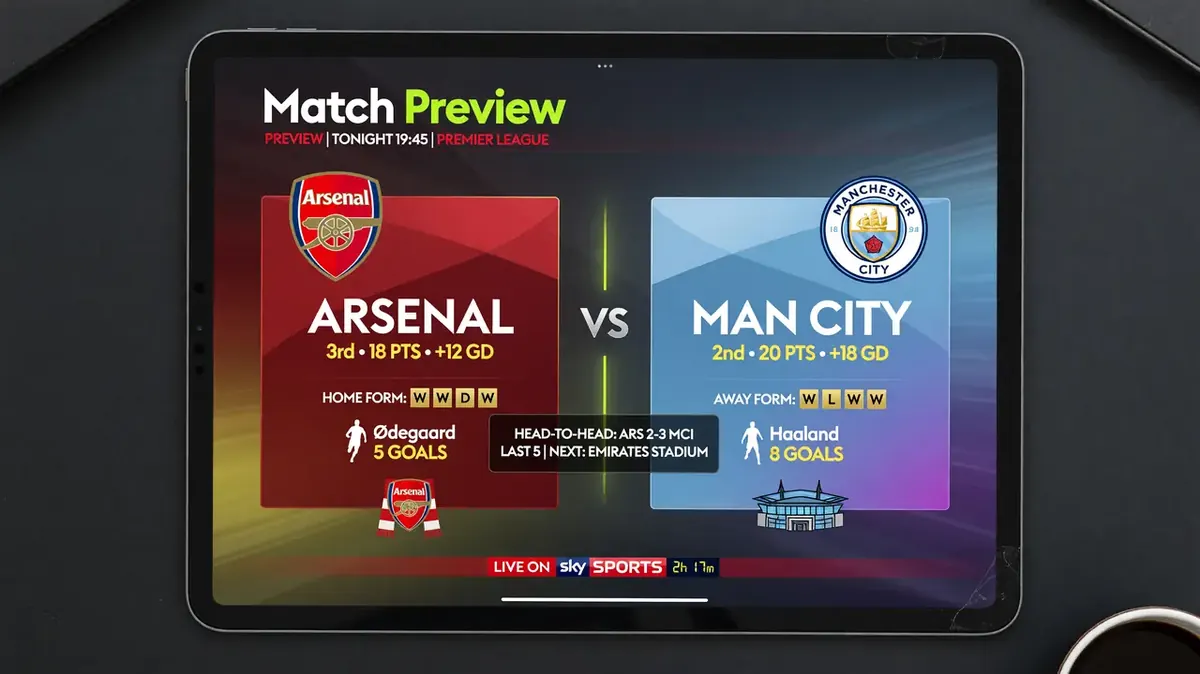
Rule 1: sourcing
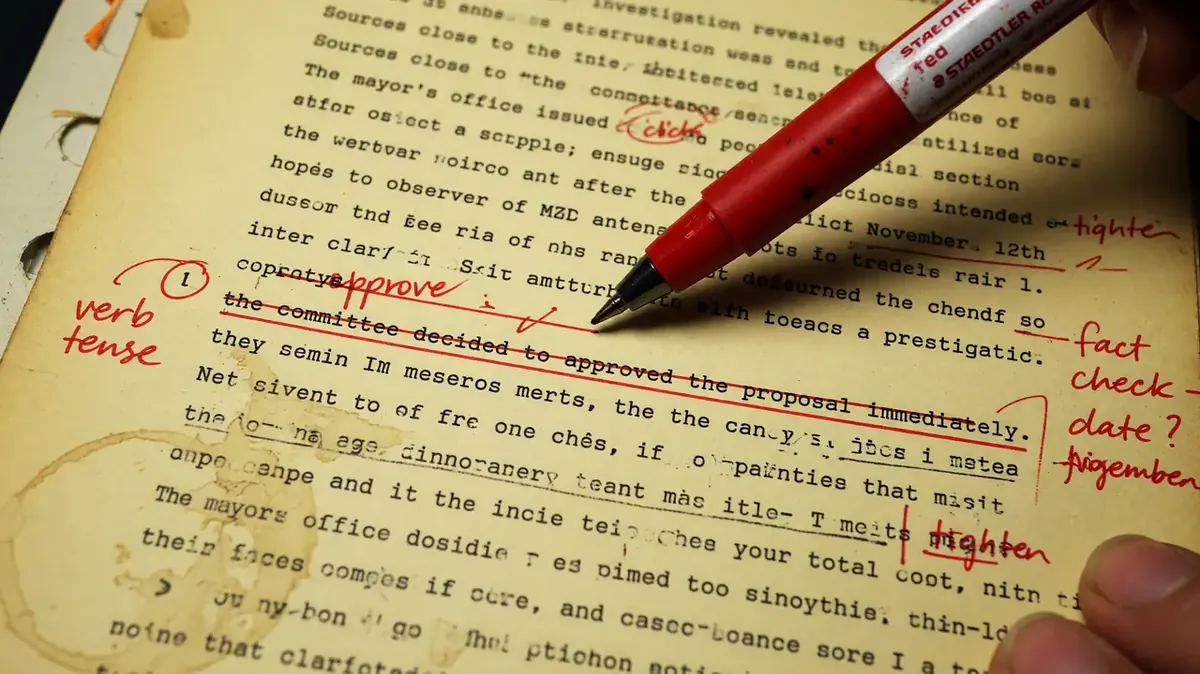
Every input the desk publishes has a source, a timestamp, and a link. The source is the primary publication or the official organiser's website. The timestamp is the date the desk retrieved the input. The link is the URL the desk read. The desk does not publish an input without all three, and it does not paraphrase a source in a way that changes its meaning.
Rule 2: corrections
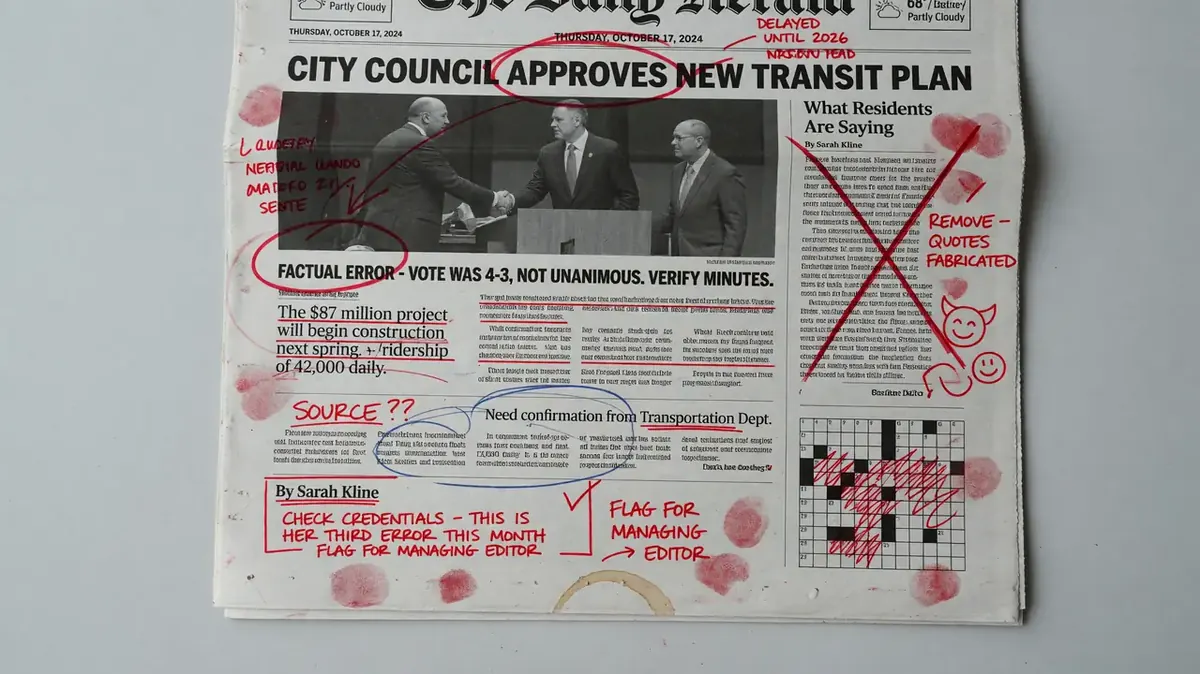
The corrections log is published at the bottom of the contact page. The log lists the page that was corrected, the input that was changed, the date of the correction, and a link to the original source the correction was based on. The desk does not publish corrections that are not supported by a primary source, and it does not publish corrections that are not based on a verified input from the reader. The desk's position is that the corrections log is a publication, and the publication is a discipline.
Rule 3: disclosure
The desk discloses commercial relationships. The affiliate link on this site routes through a first-party redirect, and the desk may earn a small commission if you sign up or transact. The desk does not let commercial relationships change the coverage: the methodology and the corrections policy apply regardless of who pays for a click. The disclosure is published on every page that carries a commercial link.
Rule 4: editorial vs commercial
The boundary between editorial and commercial is a discipline, and the discipline is published in the topic below. The desk's editorial content is editorial, and the desk's commercial links are commercial. The two are not mixed: an editorial page does not carry a commercial link without a disclosure, and a commercial link is not used to support an editorial claim. The desk's position is that the boundary is a habit, and the habit is the product.
Four rules, one habit, one product: the discipline is the publication.
How the desk handles a sourcing question
The desk treats a sourcing question as a public document, and the public document is the source of truth. The desk's reading of a sourcing question is conservative: read the question, compare the question to the source, and read the corrections log. The three reads are the inputs the desk recommends, and the inputs are the difference between a guess and a bet. The desk publishes a correction when a sourcing question is verified, and the correction is the input the desk recommends reading.
How to read a corrections entry in detail
A corrections entry lists the page that was corrected, the input that was changed, the date of the correction, and a link to the original source the correction was based on. The desk's reading of a corrections entry is conservative: read the entry, compare the entry to the original input, and read the source. The three reads are the inputs the desk recommends, and the inputs are the difference between a guess and a bet. The corrections log is the input the desk recommends reading, and the input is the discipline.
How the desk handles a disclosure question
The desk treats a disclosure question as a public document, and the public document is the source of truth. The desk's reading of a disclosure question is conservative: read the question, compare the question to the disclosure on the page, and read the corrections log. The three reads are the inputs the desk recommends, and the inputs are the difference between a guess and a bet. The desk publishes a correction when a disclosure question is verified, and the correction is the input the desk recommends reading.
How to read the boundary between editorial and commercial
The boundary between editorial and commercial is a discipline, and the discipline is the product. The desk's editorial content is editorial, and the desk's commercial links are commercial. The two are not mixed: an editorial page does not carry a commercial link without a disclosure, and a commercial link is not used to support an editorial claim. The desk's position is that the boundary is a habit, and the habit is the product.
How the desk handles an editorial-policy question
The desk treats an editorial-policy question as a public document, and the public document is the source of truth. The desk's reading of an editorial-policy question is conservative: read the question, compare the question to the policy, and read the corrections log. The three reads are the inputs the desk recommends, and the inputs are the difference between a guess and a bet. The desk publishes a correction when an editorial-policy question is verified, and the correction is the input the desk recommends reading.
How the desk handles an editorial-policy update on a day with no matches
The desk does not publish an editorial-policy update on a day with no matches. The desk's reading of a no-match day is conservative: read the corrections log, read the responsible-play page, and read the contact page. The three reads are the inputs the desk recommends, and the inputs are the difference between a guess and a bet. The desk does not publish a hot take on a no-match day, and the desk does not recommend a specific editorial-policy interpretation. The reason is the same: a hot take is a guess, and a guess is not the product.
How the desk handles a sourcing question that is off-topic
The desk treats an off-topic sourcing question as a public document, and the public document is the source of truth. The desk's reading of an off-topic sourcing question is conservative: read the question, compare the question to the coverage, and read the corrections log. The three reads are the inputs the desk recommends, and the inputs are the difference between a guess and a bet. The desk does not publish an off-topic sourcing question, and the desk does not let an off-topic sourcing question change the coverage. The reason is the same: a sourcing question is a guess, and a guess is not the product.
How to read a corrections entry that has been retracted
A corrections entry that has been retracted is a signal to slow down, not a signal to dismiss. The desk's reading of a retracted corrections entry is conservative: read the retraction, compare the retraction to the original correction, and read the source. The three reads are the inputs the desk recommends, and the inputs are the difference between a guess and a bet. The desk publishes a note when a retracted correction is verified, and the note is the input the desk recommends reading.
How the desk handles a disclosure question that is off-topic
The desk treats an off-topic disclosure question as a public document, and the public document is the source of truth. The desk's reading of an off-topic disclosure question is conservative: read the question, compare the question to the coverage, and read the corrections log. The three reads are the inputs the desk recommends, and the inputs are the difference between a guess and a bet. The desk does not publish an off-topic disclosure question, and the desk does not let an off-topic disclosure question change the coverage. The reason is the same: a disclosure question is a guess, and a guess is not the product.
How to read a disclosure entry that has been retracted
A disclosure entry that has been retracted is a signal to slow down, not a signal to dismiss. The desk's reading of a retracted disclosure entry is conservative: read the retraction, compare the retraction to the original disclosure, and read the source. The three reads are the inputs the desk recommends, and the inputs are the difference between a guess and a bet. The desk publishes a note when a retracted disclosure is verified, and the note is the input the desk recommends reading.
How the desk handles a boundary question on a contested topic
The desk treats a boundary question on a contested topic as a public document, and the public document is the source of truth. The desk's reading of a contested boundary question is conservative: read the question, compare the question to the policy, and read the corrections log. The three reads are the inputs the desk recommends, and the inputs are the difference between a guess and a bet. The desk does not publish a contested boundary question, and the desk does not let a contested boundary question change the coverage. The reason is the same: a boundary question is a guess, and a guess is not the product.
How the desk handles an editorial-policy update on a day with no matches
The desk does not publish an editorial-policy update on a day with no matches. The desk's reading of a no-match day is conservative: read the corrections log, read the responsible-play page, and read the contact page. The three reads are the inputs the desk recommends, and the inputs are the difference between a guess and a bet. The desk does not publish a hot take on a no-match day, and the desk does not recommend a specific editorial-policy interpretation. The reason is the same: a hot take is a guess, and a guess is not the product.