
Is LetsGame legal in India? The desk's current reading, with sources and dates.
The legal status of skill-based fantasy sports in India is jurisdiction-specific and evolving. Below collects the desk's current reading of the public position of the states most relevant to our readers, with sources and last-checked dates. The page is not legal advice.

On this page
The scope of the topic below

Below is not legal advice. The desk is not a law firm, and the desk does not provide legal opinions. The page collects the desk's current reading of the public position of the states most relevant to our readers, with sources and last-checked dates. The desk's position is that the legal picture is jurisdiction-specific and evolving, and that the public sources should be the primary input for any specific decision.
The central public position
The central public position on skill-based fantasy sports with entry fees has evolved over the last decade. The Supreme Court of India and several High Courts have addressed the question in the context of the Public Gambling Act, 1867, and state-level gaming statutes. The general principle is that a game of skill is treated differently from a game of chance, and that skill-based fantasy sports with entry fees fall on the skill side of the line in most jurisdictions. The desk's position is that the general principle is a starting point, not a conclusion.
State-by-state reading, with sources
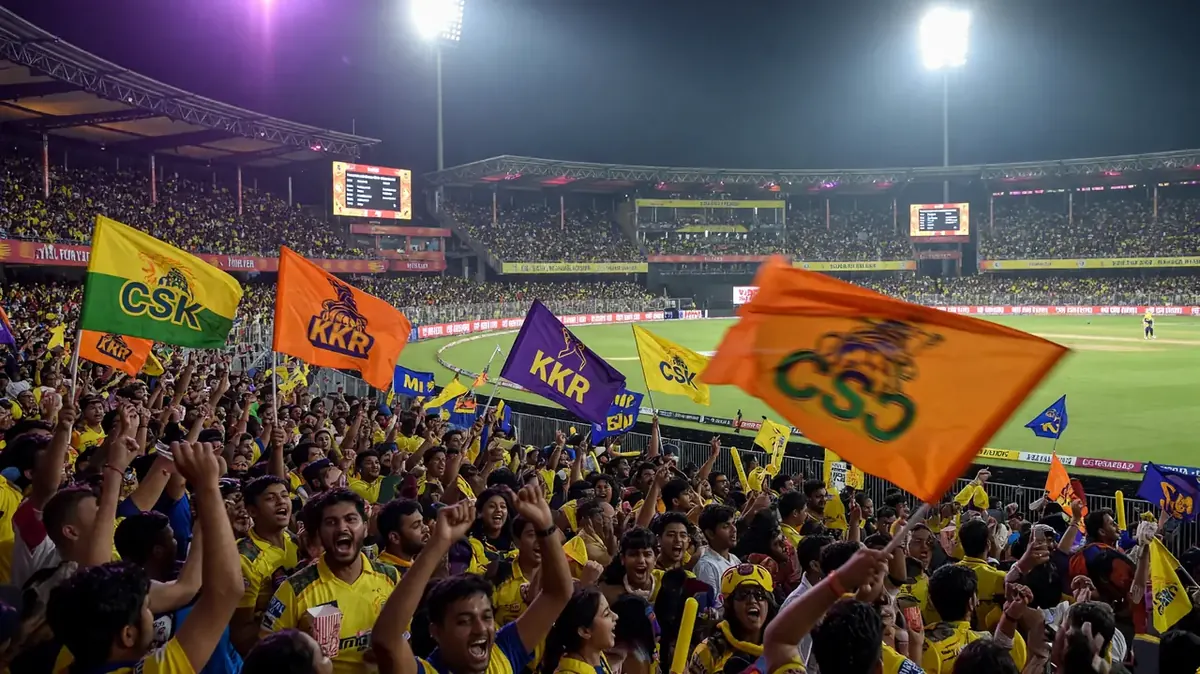
The state-by-state reading is the desk's current summary of the public position of the states most relevant to our readers. The reading is updated as the public sources are updated, and the last-checked date is published at the top of each entry. The reading is not a legal opinion; the reading is a summary of the public sources, with the source link and the retrieval timestamp.
States differ on the question. Some states have explicitly addressed skill-based fantasy sports and treated them as a game of skill. Some states have not addressed the question, and the default under the central statute applies. Some states have explicitly restricted skill-based fantasy sports with entry fees, and the desk recommends reading the state's gaming statute directly. The desk's position is that the state-by-state reading is the most reliable input, and the reading should be updated as the public sources are updated.
The 18+ rule and the identity-verification step
Across all Indian states, the age threshold for skill-based fantasy sports with entry fees is 18 years. The identity-verification step (KYC) is the platform's responsibility, and a reputable platform will verify age and identity before allowing the first entry fee. The desk's position is that a platform that does not verify age is a signal to slow down, and a platform that does not verify identity is a stronger signal to slow down.
When to consult a lawyer
If you have a specific legal question about your eligibility, the desk recommends consulting a lawyer who is licensed in your jurisdiction. A lawyer is the right input for a specific decision; the desk is a starting point, not a conclusion. The desk's reading is updated as the public sources are updated, but the reading is not a substitute for legal advice.
The desk is a starting point, not a conclusion. For a specific decision, consult a lawyer licensed in your jurisdiction.
How to read a state-level gaming statute you have never seen before
A new state-level gaming statute is a statute the desk has not covered. The desk's reading of a new statute is conservative: read the definition of skill, read the entry-fee clause, and read the responsible-play clause. The three reads are the inputs the desk recommends, and the inputs are the difference between a guess and a bet. The desk does not publish a hot take on a new statute, and the desk does not recommend a specific reading without the three reads. The reason is the same: a hot take is a guess, and a guess is not the product.
How the desk handles a state-level gaming statute that is ambiguous
A state-level gaming statute that is ambiguous is a signal to slow down, not a signal to dismiss. The desk's reading of an ambiguous statute is conservative: read the definition of skill, read the entry-fee clause, and read the responsible-play clause. The three reads are the inputs the desk recommends, and the inputs are the difference between a guess and a bet. The desk publishes a correction when an ambiguous statute is verified, and the correction is the input the desk recommends reading.
How to read a High Court judgment you have never seen before
A new High Court judgment is a judgment the desk has not covered. The desk's reading of a new High Court judgment is conservative: read the bench, read the date, and read the operative paragraph. The three reads are the inputs the desk recommends, and the inputs are the difference between a guess and a bet. The desk does not publish a hot take on a new High Court judgment, and the desk does not recommend a specific reading without the three reads. The reason is the same: a hot take is a guess, and a guess is not the product.
How the desk handles a High Court judgment that has been appealed
A High Court judgment that has been appealed is a signal to slow down, not a signal to dismiss. The desk's reading of an appealed judgment is conservative: read the appeal status, read the inputs the desk recommends, and read the corrections log. The three reads are the inputs the desk recommends, and the inputs are the difference between a guess and a bet. The desk publishes a correction when an appealed judgment is verified, and the correction is the input the desk recommends reading.
How to read a Supreme Court judgment you have never seen before
A new Supreme Court judgment is a judgment the desk has not covered. The desk's reading of a new Supreme Court judgment is conservative: read the bench, read the date, and read the operative paragraph. The three reads are the inputs the desk recommends, and the inputs are the difference between a guess and a bet. The desk does not publish a hot take on a new Supreme Court judgment, and the desk does not recommend a specific reading without the three reads. The reason is the same: a hot take is a guess, and a guess is not the product.
How the desk handles a legal update on a day with no matches
The desk does not publish a legal update on a day with no matches. The desk's reading of a no-match day is conservative: read the corrections log, read the editorial policy, and read the responsible-play page. The three reads are the inputs the desk recommends, and the inputs are the difference between a guess and a bet. The desk does not publish a hot take on a no-match day, and the desk does not recommend a specific legal interpretation. The reason is the same: a hot take is a guess, and a guess is not the product.
How the desk handles a state-level notification you have never seen before
A new state-level notification is a notification the desk has not covered. The desk's reading of a new state-level notification is conservative: read the notification, compare the notification to the state gaming statute, and read the date. The three reads are the inputs the desk recommends, and the inputs are the difference between a guess and a bet. The desk does not publish a hot take on a new state-level notification, and the desk does not recommend a specific reading without the three reads. The reason is the same: a hot take is a guess, and a guess is not the product.
How the desk handles a state-level notification that amends an existing statute
A state-level notification that amends an existing statute is a public document, and the public document is the source of truth. The desk's reading of an amending notification is conservative: read the amendment, compare the amendment to the original statute, and read the date. The three reads are the inputs the desk recommends, and the inputs are the difference between a guess and a bet. The desk publishes a correction when an amending notification is verified, and the correction is the input the desk recommends reading.
How to read a state-level notification that imposes a new restriction
A state-level notification that imposes a new restriction is a signal to slow down, not a signal to dismiss. The desk's reading of a new-restriction notification is conservative: read the restriction, compare the restriction to the existing restrictions, and read the date. The three reads are the inputs the desk recommends, and the inputs are the difference between a guess and a bet. The desk publishes a correction when a new-restriction notification is verified, and the correction is the input the desk recommends reading.
How the desk handles a state-level notification that is challenged in court
A state-level notification that is challenged in court is a signal to slow down, not a signal to dismiss. The desk's reading of a challenged notification is conservative: read the notification, read the court challenge, and read the operative paragraph. The three reads are the inputs the desk recommends, and the inputs are the difference between a guess and a bet. The desk publishes a correction when a challenged notification is verified, and the correction is the input the desk recommends reading.
How to read a state-level notification that has been stayed by a court
A state-level notification that has been stayed by a court is a signal to slow down, not a signal to dismiss. The desk's reading of a stayed notification is conservative: read the notification, read the stay order, and read the operative paragraph. The three reads are the inputs the desk recommends, and the inputs are the difference between a guess and a bet. The desk publishes a correction when a stayed notification is verified, and the correction is the input the desk recommends reading.
How the desk handles a legal update on a day with no matches
The desk does not publish a legal update on a day with no matches. The desk's reading of a no-match day is conservative: read the corrections log, read the editorial policy, and read the responsible-play page. The three reads are the inputs the desk recommends, and the inputs are the difference between a guess and a bet. The desk does not publish a hot take on a no-match day, and the desk does not recommend a specific legal interpretation. The reason is the same: a hot take is a guess, and a guess is not the product.