
Tournament explainers, schedules, and format notes.
The tournaments hub collects the desk's evergreen explainers for the competitions that drive the fantasy calendar: the IPL, the ODI World Cup, the T20 World Cup, the Test Championship, and the major football and kabaddi leagues. Every explainer carries a source drawer and a last-checked date.
On this page
The fantasy calendar, in plain terms
The fantasy calendar is the annual cycle of tournaments that drive the match-research inputs. The calendar starts with the IPL in March, runs through the football league finals in May, picks up the T20 World Cup in June, and continues through the ODI World Cup in October. The desk's coverage follows the calendar, with evergreen explainers for the major tournaments and dated previews for the headliner matches.
The IPL: a quick explainer
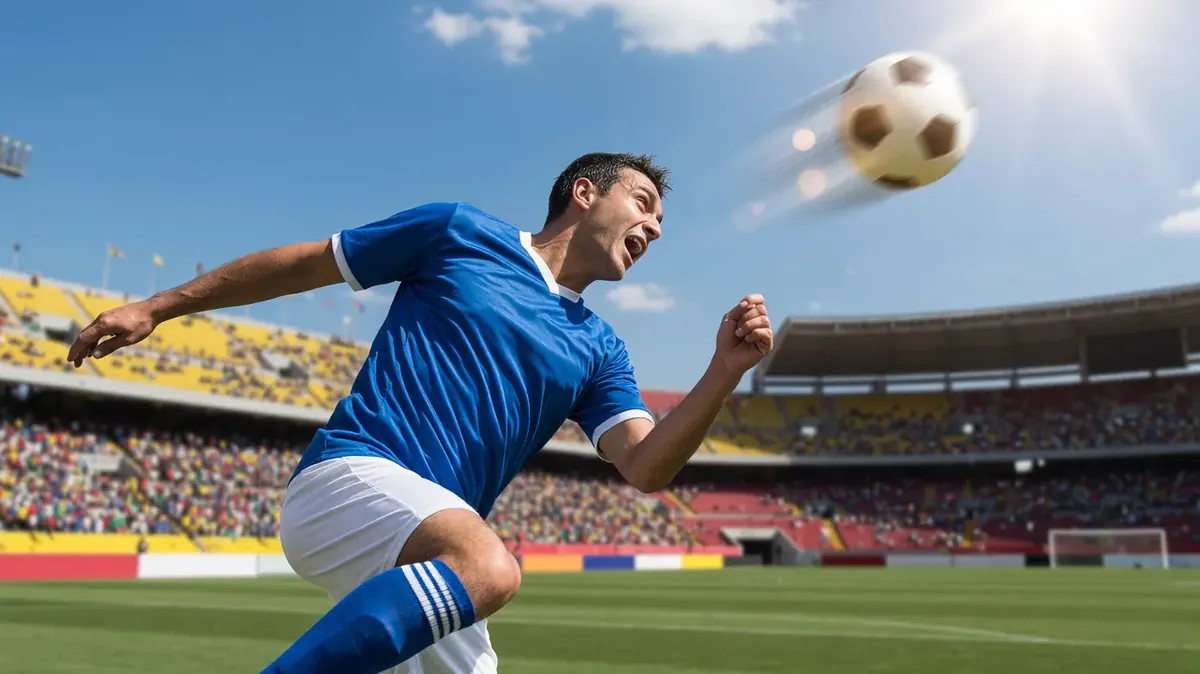
The Indian Premier League is a T20 league played across Indian venues from March to May, with ten franchises representing different cities. The IPL is the highest-volume tournament on the fantasy calendar, with seventy league matches plus playoffs, and it is the tournament on which most fantasy players cut their teeth. The desk's coverage of the IPL follows the same five inputs as the rest of the site, with format-specific notes on the T20 scoring system and the venue rotation.
The ODI and T20 World Cups
The ODI World Cup and the T20 World Cup are ICC events played every two years on a rotating cycle. The ODI World Cup rewards the ODI-specific scoring system, with milestones at 50 and 100, and a longer captaincy profile. The T20 World Cup rewards the T20-specific scoring system, with a higher ceiling per ball. The desk's coverage of both tournaments uses the same five inputs as the rest of the site, with format-specific notes.
The Test Championship
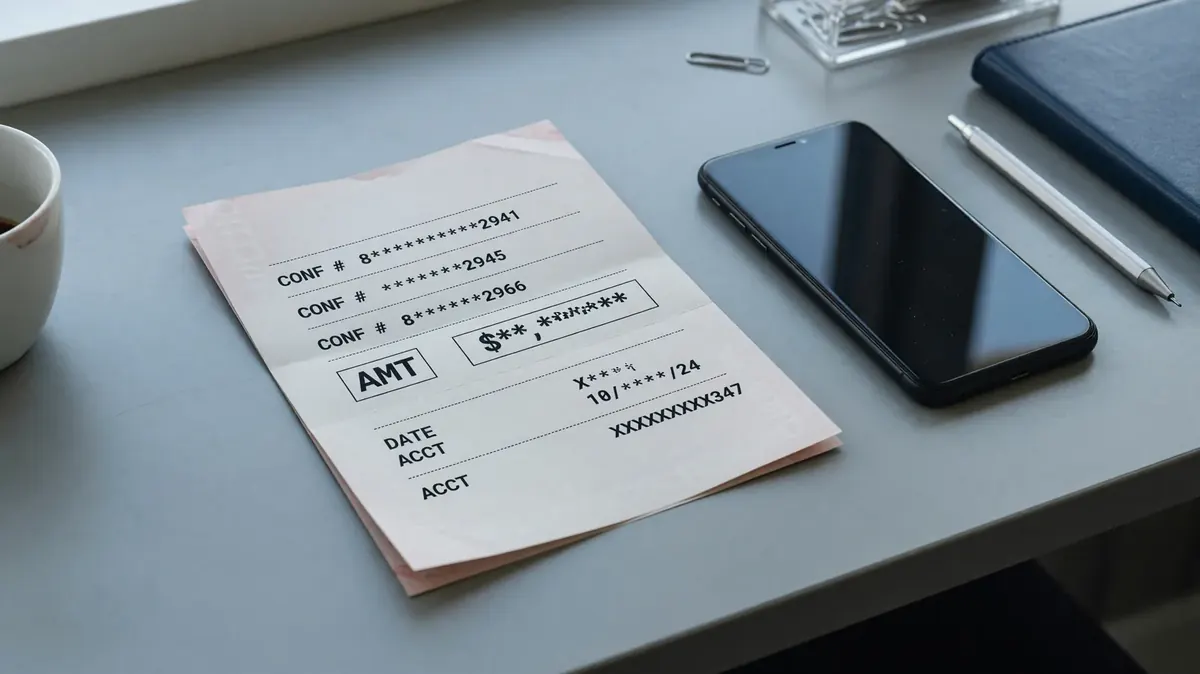
The ICC World Test Championship is a league format played over two-year cycles, with the top two teams meeting in a one-off final at Lord's. Test cricket rewards the longest format: the floor matters more than the ceiling, the volume of balls faced matters more than the boundary count, and the bowler's endurance matters more than the strike rate. The desk's Test coverage uses the same five inputs, with format-specific notes on the Test scoring system.
Football: the major leagues
The major football leagues that drive the fantasy calendar are the Premier League, La Liga, Serie A, the Bundesliga, and Ligue 1, with the Champions League and the Europa League as the cross-league competitions. Football rewards a different set of inputs: the position in the formation, the expected goals contribution, the set-piece role, and the minutes played. The desk's football coverage uses the same five inputs, with format-specific notes.
Kabaddi: PKL and beyond
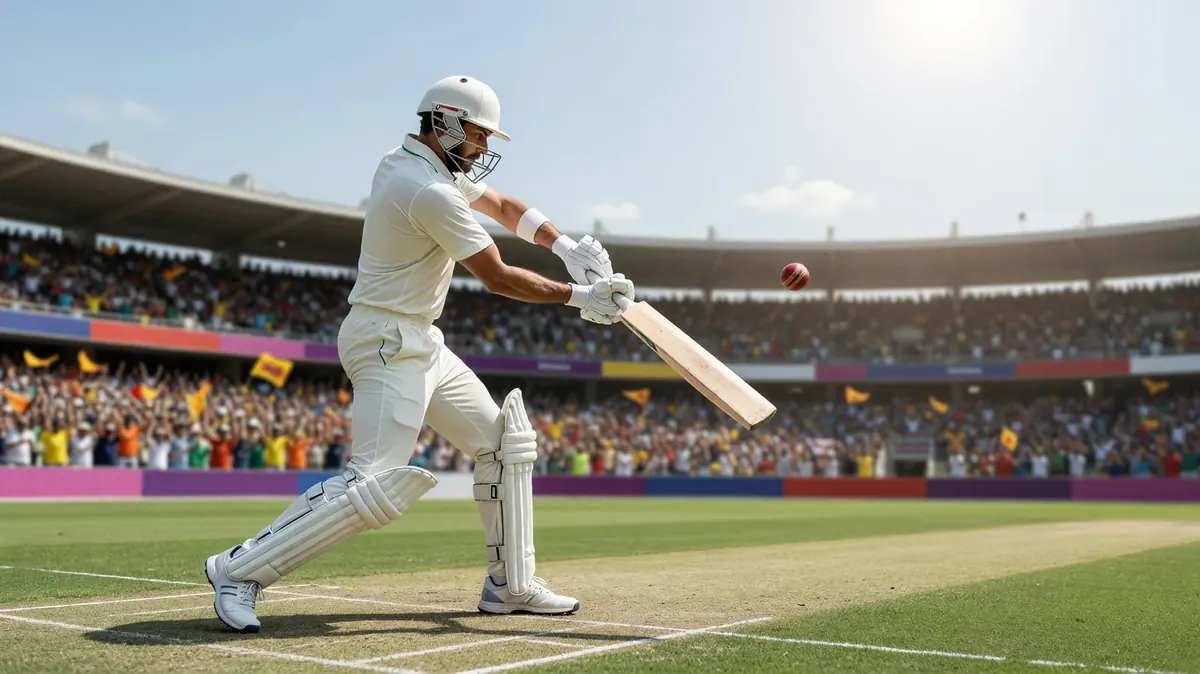
The Pro Kabaddi League is the highest-volume kabaddi tournament on the fantasy calendar, played across Indian venues from October to December. Kabaddi rewards a different set of inputs: the raid success rate, the tackle success rate, the super-raid count, and the super-tackle count. The desk's kabaddi coverage uses the same five inputs, with format-specific notes.
Sources, schedules, and how the desk verifies
The desk sources tournament schedules from the official organiser's website first, then from the league's social channels, then from the news coverage. Every input has a source and a retrieval time. The source drawer at the bottom of every explainer is the place to check, and the editorial policy page describes the rule in detail.
The tournament is the frame. The match is the picture. The reason is the wall it hangs on.
From the evergreen explainer to a dated preview.
The explainer gives you the frame. The preview gives you the picture. Pair the two and you have a reason.
How to read a tournament you have never covered
A new tournament is a tournament the desk has not covered. The desk's reading of a new tournament is conservative: read the schedule, read the format, read the squads, and read the rules. The four reads are the inputs the desk recommends, and the inputs are the difference between a guess and a bet. The desk does not publish a hot take on a new tournament, and the desk does not recommend a specific player without the four reads. The reason is the same: a hot take is a guess, and a guess is not the product.
How the desk handles a schedule change
A schedule change is a public document, and the public document is the source of truth. The desk's reading of a schedule change is conservative: read the change, compare the change to the original schedule, and read the reason for the change. The three reads are the inputs the desk recommends, and the inputs are the difference between a guess and a bet. The desk publishes a correction when a schedule change is verified, and the correction is the input the desk recommends reading.
How to read a format change
A format change is a public document, and the public document is the source of truth. The desk's reading of a format change is conservative: read the change, compare the change to the original format, and read the reason for the change. The three reads are the inputs the desk recommends, and the inputs are the difference between a guess and a bet. The desk publishes a correction when a format change is verified, and the correction is the input the desk recommends reading.
How to read a rule change mid-tournament
A mid-tournament rule change is a public document, and the public document is the source of truth. The desk's reading of a mid-tournament rule change is conservative: read the change, compare the change to the original rules, and read the reason for the change. The three reads are the inputs the desk recommends, and the inputs are the difference between a guess and a bet. The desk publishes a correction when a mid-tournament rule change is verified, and the correction is the input the desk recommends reading.
How the desk handles a tournament that is cancelled
The desk treats a cancelled tournament as a public document, and the public document is the source of truth. The desk's reading of a cancelled tournament is conservative: read the cancellation, read the reason for the cancellation, and read the expected rescheduling. The three reads are the inputs the desk recommends, and the inputs are the difference between a guess and a bet. The desk publishes a correction when a cancellation is verified, and the correction is the input the desk recommends reading.
How to read a tournament on a day with no matches
The desk does not publish a tournament preview on a day with no matches. The desk's reading of a no-match day is conservative: read the corrections log, read the editorial policy, and read the responsible-play page. The three reads are the inputs the desk recommends, and the inputs are the difference between a guess and a bet. The desk does not publish a hot take on a no-match day, and the desk does not recommend a specific player. The reason is the same: a hot take is a guess, and a guess is not the product.
How to read a tournament schedule you have never seen before
A new tournament schedule is a schedule the desk has not covered. The desk's reading of a new tournament schedule is conservative: read the schedule, compare the schedule to the previous edition, and read the source. The three reads are the inputs the desk recommends, and the inputs are the difference between a guess and a bet. The desk does not publish a hot take on a new tournament schedule, and the desk does not recommend a specific player without the three reads. The reason is the same: a hot take is a guess, and a guess is not the product.
How the desk handles a tournament schedule that has been revised
A tournament schedule that has been revised is a public document, and the public document is the source of truth. The desk's reading of a revised tournament schedule is conservative: read the revision, compare the revision to the original schedule, and read the date. The three reads are the inputs the desk recommends, and the inputs are the difference between a guess and a bet. The desk publishes a correction when a revised tournament schedule is verified, and the correction is the input the desk recommends reading.
How to read a tournament format you have never seen before
A new tournament format is a format the desk has not covered. The desk's reading of a new tournament format is conservative: read the format, compare the format to the previous edition, and read the source. The three reads are the inputs the desk recommends, and the inputs are the difference between a guess and a bet. The desk does not publish a hot take on a new tournament format, and the desk does not recommend a specific player without the three reads. The reason is the same: a hot take is a guess, and a guess is not the product.
How the desk handles a tournament format that has been revised
A tournament format that has been revised is a public document, and the public document is the source of truth. The desk's reading of a revised tournament format is conservative: read the revision, compare the revision to the original format, and read the date. The three reads are the inputs the desk recommends, and the inputs are the difference between a guess and a bet. The desk publishes a correction when a revised tournament format is verified, and the correction is the input the desk recommends reading.
How to read a tournament squad announcement you have never seen before
A new tournament squad announcement is an announcement the desk has not covered. The desk's reading of a new tournament squad announcement is conservative: read the squad, compare the squad to the previous edition, and read the source. The three reads are the inputs the desk recommends, and the inputs are the difference between a guess and a bet. The desk does not publish a hot take on a new tournament squad announcement, and the desk does not recommend a specific player without the three reads. The reason is the same: a hot take is a guess, and a guess is not the product.
How the desk handles a tournament preview on a day with no matches
The desk does not publish a tournament preview on a day with no matches. The desk's reading of a no-match day is conservative: read the corrections log, read the editorial policy, and read the responsible-play page. The three reads are the inputs the desk recommends, and the inputs are the difference between a guess and a bet. The desk does not publish a hot take on a no-match day, and the desk does not recommend a specific player. The reason is the same: a hot take is a guess, and a guess is not the product.